
Safeguarding Women Legislators at Bengaluru CWP Meet
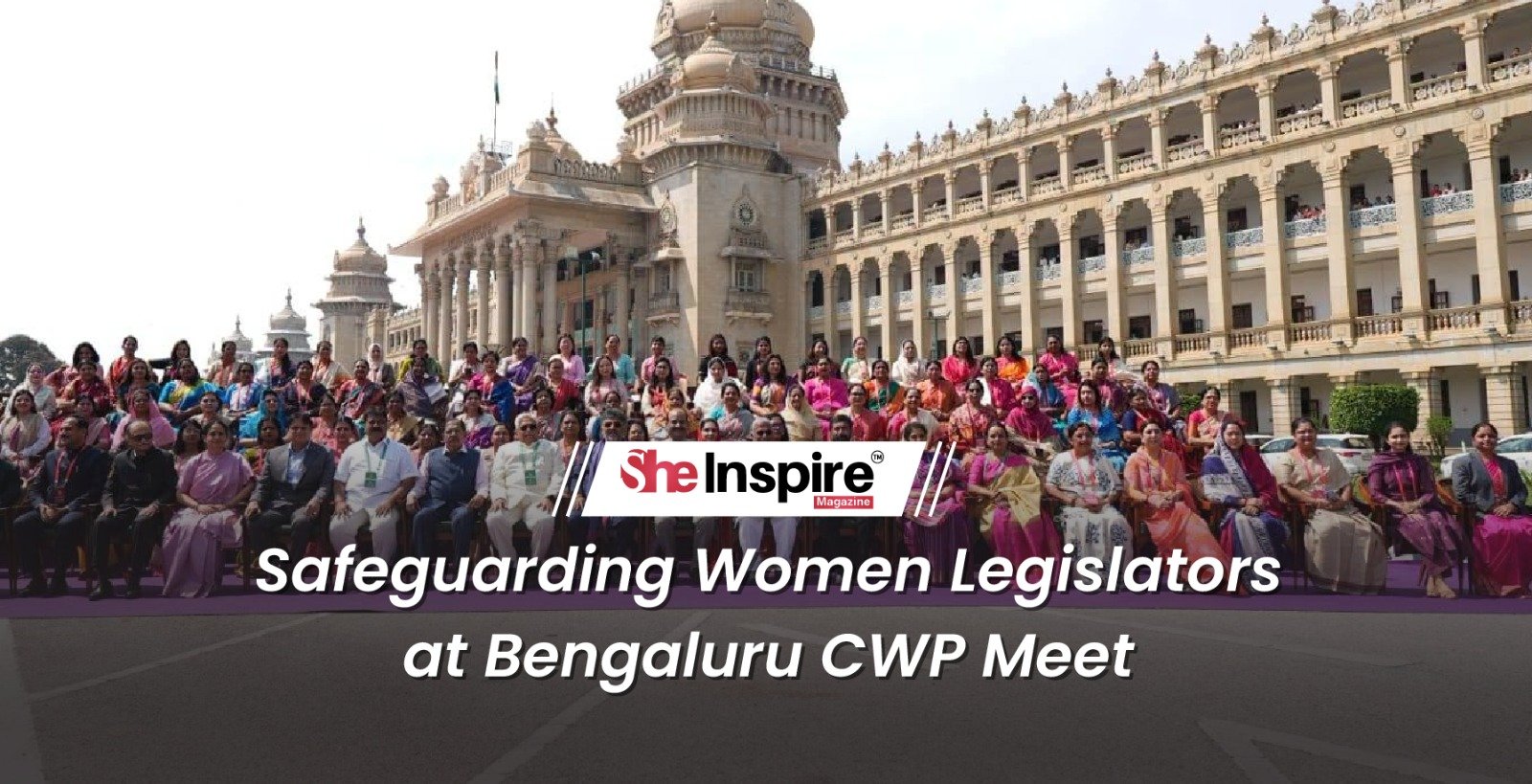
In India, women successful in getting elected have had to figure out how to do the work largely on the job. They've had to figure out the smc performance history committee rooms, late nights in the chamber, the whispers of doubt from colleagues, all while trying to keep colleagues out of the door jams. So the inaugural Commonwealth Women Parliamentarians India Region conference held at Vidhana Soudha in Bengaluru on 17 and 18 November 2026, was more than a regular gathering. It was inaugurated by LK Advani, Lok Sabha Speaker Om Birla and Karnataka Chief Minister D.K. Shivakumar, and women MPs and MLAs from Parliament and from state and union territory legislatures sat together under one theme, “Strong Foundations, Stronger Voices,” which focused on safe cyberspace and mentorship for new women legislators. Daggubati Purandeswari, the India Region group leader, was at the meeting, and it felt like an excited opening-up of a long-held room, from which the occupants have been spread throughout several houses.
Where First-Time Women MLAs and MPs Get Real Guidance
It's a typical group of "political" meetups that seem very disconnected from reality until you realize, oh wait, it's already in your life. One explored how women can stay safe online, a topic of concern if you've ever seen a woman leader silenced by online attacks just for articulating her truth, and the other addressed how to build skills and find mentorship to ensure a first-time legislator gets initiated by a more senior one. A side event on menopause was also organised by the UN Women India that nobody talks about openly, even as almost all women politicians suffer from it behind the scenes in between public rallies and long hours of sittings. Shivakumar candidly acknowledged that women encounter social and family constraints even before they reach the doors of politics and called on women in the audience to help many more of their sisters into the profession. It's a small admission, but it is an important one: women in Indian politics have to deal with roadblocks from their very breakfast tables.
Why Everyone in the Hall Kept Coming Back to the 33 Per Cent
Even with all the talk of mentorship, the conversation kept returning to seats. Birla called for the 33 per cent women’s reservation in the Lok Sabha and state assemblies to be put into action soon, adding that women’s participation should travel from panchayats all the way to Parliament. Shivakumar said the December session is expected to make history, wondered how many sitting members might have to make way once the quota arrives, and admitted that nobody yet knows which constituencies will be reserved. That honest uncertainty hangs over the whole event, because mentorship and safe online spaces help women who are already inside the house, while the quota decides how many more get to walk in. If this is not a one off conference and becomes a regular affair, it could gradually create the kind of network that women in Indian politics always needed.