Women Leaders Demand Systemic Reform In Delhi
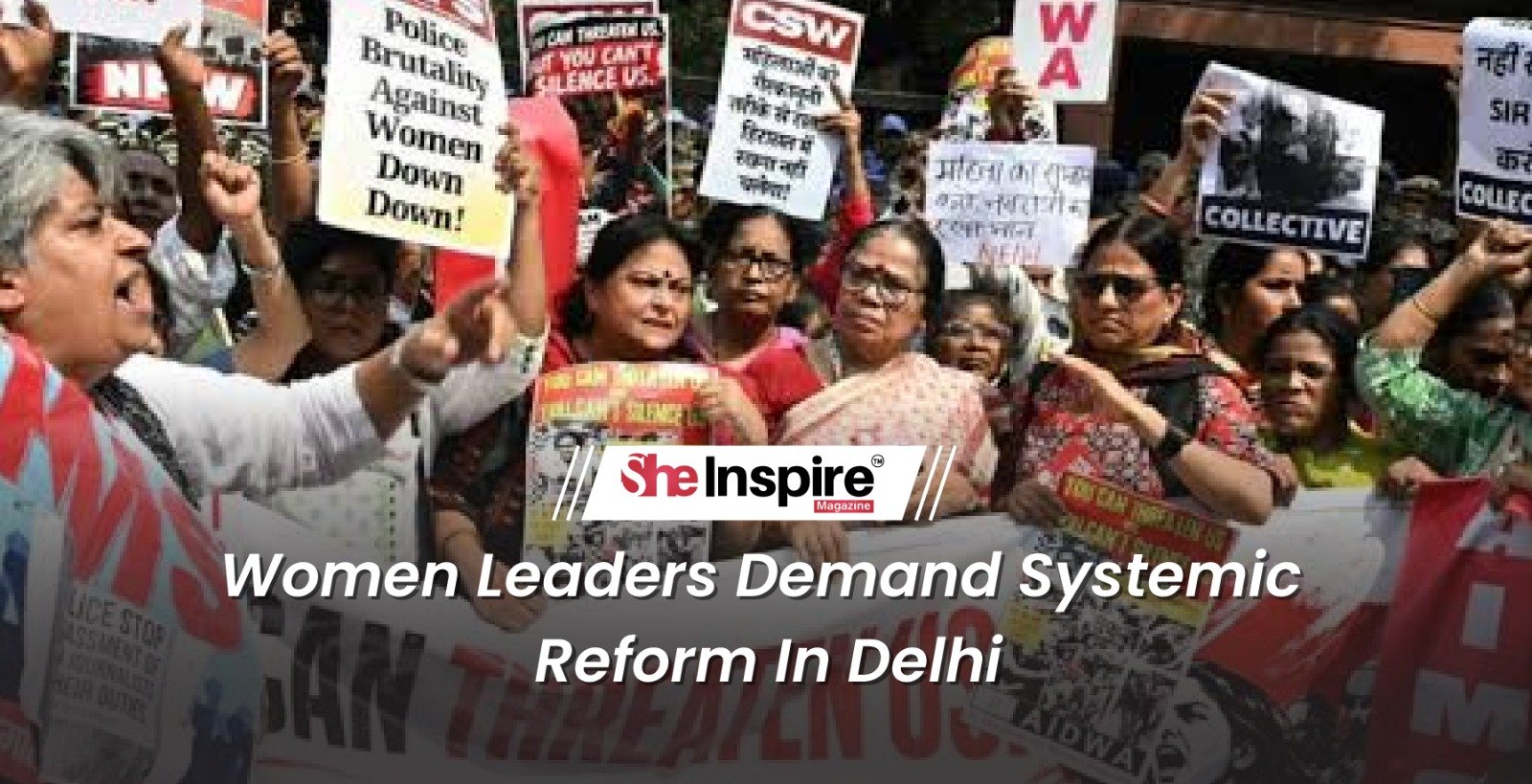
On Saturday, October 17, over 100 women assembled in the vicinity of the central Delhi Gurudwara Bangla Sahib and reached the Delhi Police headquarters. They were from AIDWA, NFIW, AIPWA, and ALIFA organisations, and bore a memorandum, but also a question Delhi has been asking itself for over three decades: why do women have to decide between speaking up and staying alive? The march was about more than one incident. It asked whether women’s safety in Delhi can be left to the same institutions that, in the marchers’ account, failed protesters this month.
What the Women Say Happened
The marchers were responding to the protests against the Election Commission over the Special Intensive Revision of electoral rolls. In a joint statement, the organisations said photographs, videos and personal accounts point to harassment and violence against women, transgender and non-binary protesters during police action since July 20, with reports growing from October 2. They cited footage that purportedly shows male officers assaulting women, and alleged sexual violence inside detention buses and centres. A young woman journalist also alleged that a senior officer groped her, and the groups claim that when she tried to file a complaint, she was detained and an FIR was registered against her and others. These remain allegations, and no public response from Delhi Police to these specific claims could be found at the time of writing.
Annie Raja of the NFIW, one of the leaders at the march, said sexual assault was being used to push women out of public protests. She called for action against the officers responsible and for the Union Home Minister’s resignation. Police officers met a delegation after protesters blocked the road, and organisers say they were promised an early meeting with the commissioner.
Why This Reaches Beyond One March
What makes this moment feel bigger than a single protest is that it echoes another conversation in Delhi this autumn. Women students marching under the banner “Hum Auratein Azaad Hai” have argued that safety measures like closing parks after sunset punish women instead of the men who commit violence. In another case related to the alleged molestation of a minor inside a moving bus, the court had reportedly asked if there has been any change in the city post the 2012 Nirbhaya case.
Seen together, the two protests are essentially making the same demand, in two different words. They are demanding a system change, a change in framework to view safety as an obligation to women and not a limit on women. And their specific demand in the memorandum is clear: swift disciplinary action and punishment against officers found guilty of misconduct, and a system where a woman who complains is not a culprit. Whether Delhi Police acts on it will be the first real test of police accountability in this case, and the groups have said they will keep protesting until then.