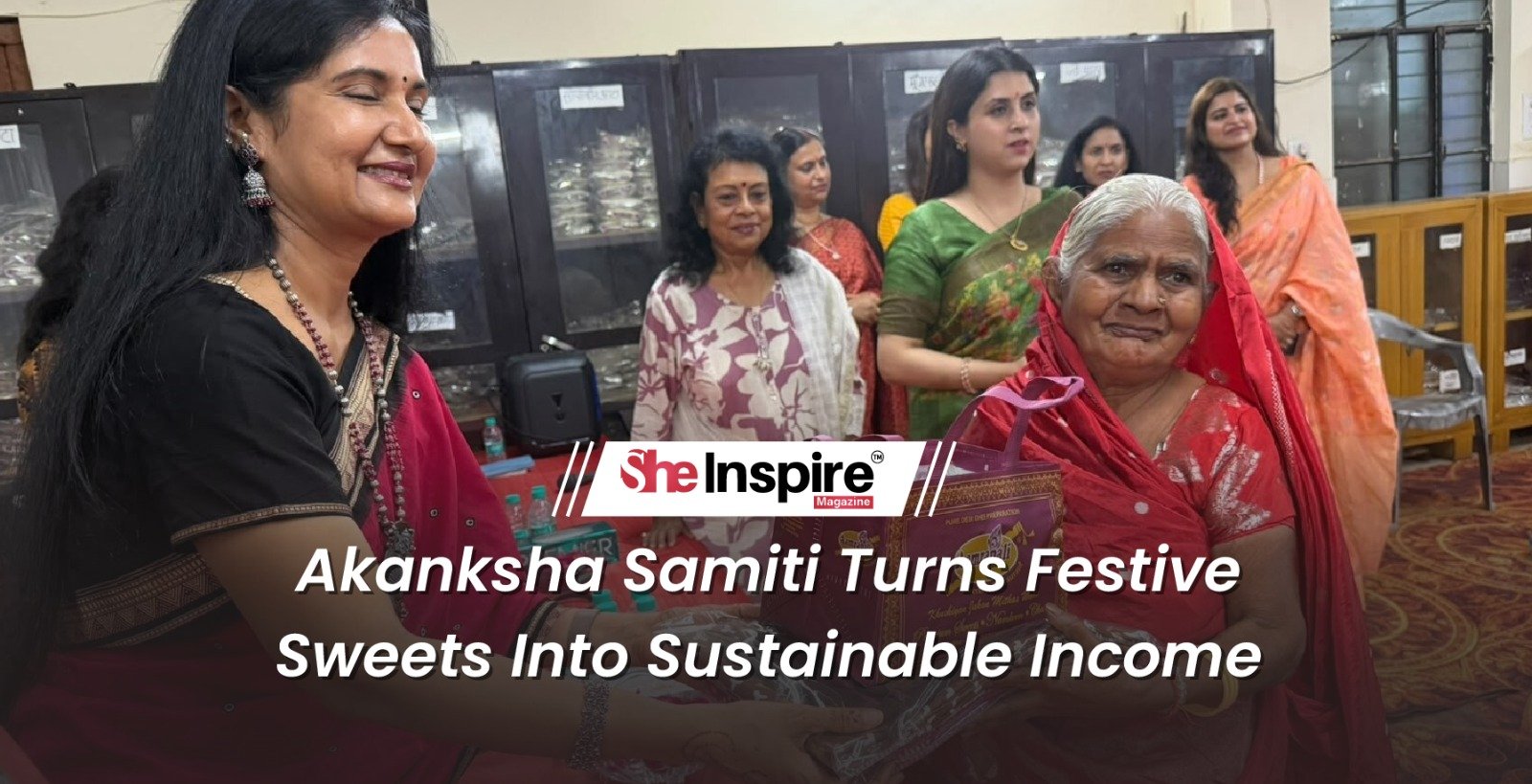
Varanasi SHG Women Turn Rural Craft Into Festive Hampers
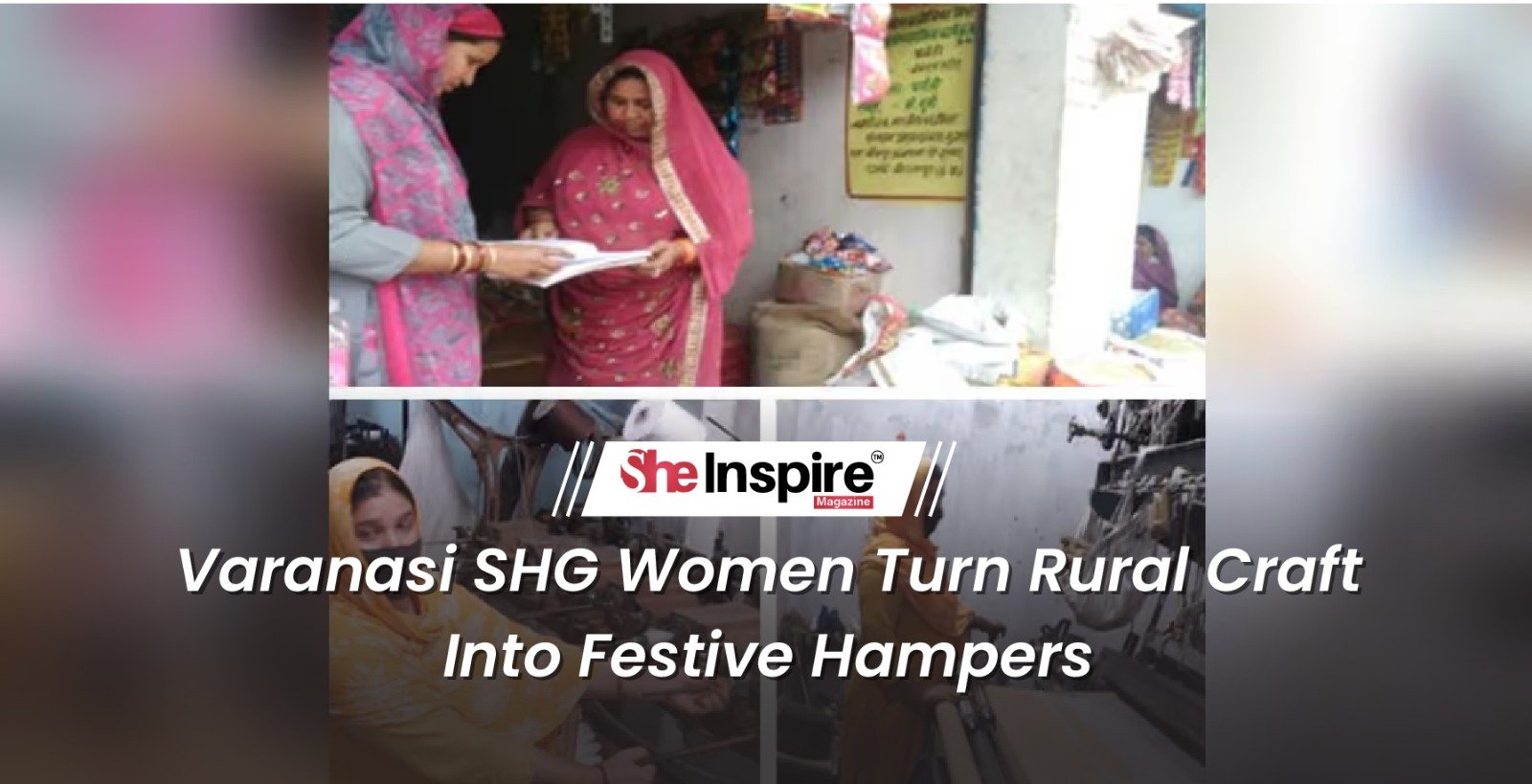
A couple of days before Diwali, if you walk along a Varanasi market, the shelves of gifts do not stand out from the norm: shiny boxes and ribbons, pretty plastic windows showcasing sweets and the candles to go along with them. But this year a few of those boxes have a slightly different colour. Twenty-five lines from a short report released on 2 November tell a story of women who are making traditional goods by hand in and around Varanasi to be packed as Diwali festive gift hampers. This provides additional income for Varanasi's rural women. What it does not do, as the report does not elaborate, is say where it is made and who is making it. But the essence of this is pretty clear about how a festival can become a market for women who are not often given a market.
From Village Kitchens to Gift Boxes
The logic of a hamper is simple. A single jar of pickle or a packet of papad is a small sale, and a woman selling it alone has little power over the price. Put several such products into one well-packed box and the price changes, because the buyer is now purchasing a gift, not a snack. That is the opportunity self-help groups in Varanasi appear to be chasing. A study of the district found that women in these groups already work in poppadum and pickle making, Varanasi silk weaving, tailoring, and other small enterprises, so the skills are there. What has often been missing is the last step: a good package, a shelf and a buyer.
Uttar Pradesh’s State Rural Livelihood Mission pushed the same idea last Diwali. It promoted eco-friendly diyas, candles, cow-dung idols and festive hampers made by women’s groups, and officials were told to set up dedicated stalls in markets and government offices, with the products registered on online sales platforms. In Jaunpur, one group of ten women making handmade clay and wax lamps said each member earned about ?10,000 over the Diwali season, after NRLM support of ?1.1 lakh helped them scale up. Those are last year's numbers from a different district, so it's only an example, not a guarantee for Varanasi. The other reasons to love hampers. Many families prefer to buy gifts that show their special local flavor- nothing like a gift box from a big store, and a hamper produced in a village near home.
There is also a laundry list of mundane work behind every hamper. Food must be labelled, and a lot of it needs a food-safety registration; the packaging needs to have a supplier, and somebody must be able to get a delivery date that they can keep. Under NRLM, groups can access revolving funds, training, and links to a bank, but on a day-to-day basis, the load tends to fall on a handful of women who also have chores to run. Unpaid caregivers spend about 2 hours 20 minutes a day doing the work, according to the most recent Time Use Survey, and that work doesn't take a time-out for a holiday rush. A fair hamper business has to fit around it instead of competing with it.
What Makes a Festive Income Last
The harder question is what happens in the second week of November. A festival brings a burst of demand, and a burst is not the same as a livelihood. A self-help group needs steady orders, fair prices and prompt payment long after the lamps are packed away. In 2024, there were 700 rural women working at the Kashi Prerna canteens run by women's groups at government offices, health centres and schools in Varanasi. They earned about ?8,000-?9,000 per month. The regular institutional demand here, apart from the festival sale, is what sustains such small earnings. That is why corporate gifting, year-round stalls and online listings are crucial to festivals as much as the hamper itself.
There is also the wider picture of rural women’s work. A study by Oxfam published last month told us that employment for women in rural areas has almost doubled in six years, but a significant proportion of that growth happened through unpaid work for families, so "more women working" and "more women paid" are really two different propositions. The government claims more than three crore women have crossed the one lakh rupee household income mark as 'Lakhpati Didis', with an eye on six crore by March 2029 - but that is annual household income, and not, as they say, a festive week. A hamper which pays a woman a fair wage for her labour is a start towards bridging that gap. And the real test is whether she would actually get the money she has earned credited to her own account on the date that she has marked, as if she were a businesswoman, not a rural Indian woman entrepreneur.
A box of handmade sweets, lamps and pickles packed by village women, inspired by the silent resolve of the Grassroots Women Leaders India, is more than a gift. It is a small argument that rural skill can fetch city prices if someone helps with the packaging, the shelf and the bill. We will be watching whether these hampers sell out this week and, more importantly, whether the women who made them are still getting orders after the lights come down.