Akanksha Samiti Turns Festive Sweets Into Sustainable Income
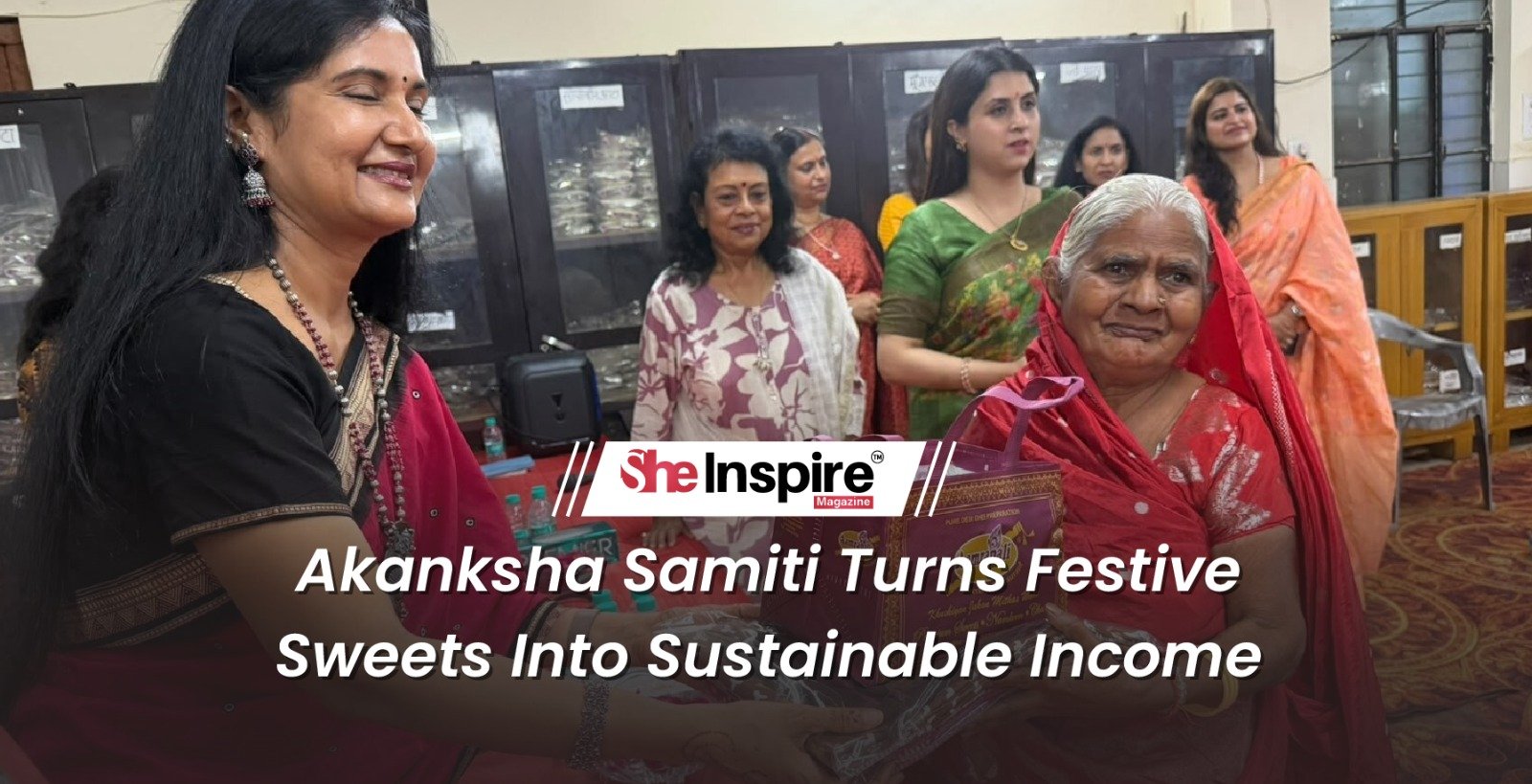
A new sweet has joined the shelves at Butler Palace in Lucknow this Diwali. Akanksha Samiti has added boondi laddoos to its range of food products, and in reports published on 2 November, the organisation held a festive programme at its Butler Palace centre, where Diwali gifts were given to women and the proceeds from food sales are shared among the women who prepare them. A laddoo is not news on its own. What makes the story worth a second look is the model around it: a food enterprise in which the people making the product are the ones paid by it. For anyone following Akanksha Samiti Lucknow, the sweet is the small part of a much bigger story.
A Charity Trying to Become an Enterprise
Akanksha Samiti was established in 1987 and is the registered social service wing of the Uttar Pradesh IAS Officers’ Wives Association, or UP IASOWA. It also has its own Masala Mathri Kendra, where more than 120 women are employed. The Butler Palace Colony and Gomtinagar centres are known for masala mathri, spices and samosas, made by the women working there. Boondi laddoos would fall into that category since Diwali is when every household buys sweets and snacks; for women looking for work but with minimal training, cooking is probably the only skill they have, and a centre that can turn it into a salary is what they need. The right product for the right moment becomes a boon for a small business - especially one that pays its workers on the back of sales.
The Samiti’s leadership has been clear about the philosophy. At UP IASOWA’s first Diwali Mela on 24 October, its president, Dr Neelu Goyal, said true empowerment is not a charitable gesture but an economic breakthrough. Now the organisation is introducing vocational training courses in professional tailoring and garment craft - and marketing snacks and spices produced by regional women's groups of self-employed entrepreneurs through its own banner. All of these raise an obvious resounding clarion call for potential women entrepreneurs in India: first skills, then a marketplace, then an income.
Shared Proceeds and the Questions That Remain
Sharing proceeds with the women who prepare the food is the heart of the model, and it is a sensible one. It ties earnings directly to sales, so a good festive season benefits the people who did the work and not only an organiser. What the reports don’t say is how much each woman receives, how the shares are calculated, or whether the work continues through the quieter months. Those details matter, because a festive sale helps most when it adds to a steady income and not when it stands in for one. National figures show why the question is serious. Annual labour data for 2025 put the average monthly earnings of self-employed women at ?6,374, against ?17,914 for self-employed men, and an Oxfam study found that much of the recent rise in rural women’s work was unpaid family labour.
Diwali gifts are a different matter. A gift marks the occasion and tells the women they are valued, and it is welcome. It is still not wages. The better test is whether the gift arrives on top of fair pay and not instead of it. There is also the question any organisation led by officers’ families has to answer, which is who ultimately makes the decisions. The stated aim of building independence suggests the right answer, and the stitching programmes may help, since a woman who learns to run her own tailoring work can eventually earn without anyone’s permission, a goal that homemade festive sweets alone cannot always deliver.
On the face of it, this is a small seasonal story about a sweet. Underneath it sits a question that runs through almost every women’s enterprise in the country: is this a favour or a job? We will be watching Akanksha Samiti’s Diwali figures, and the women who hold the ladles, because the answer shows up in what they take home and not in what is said from the stage.