Supreme Court Rejects Plea for Paid Menstrual Leave
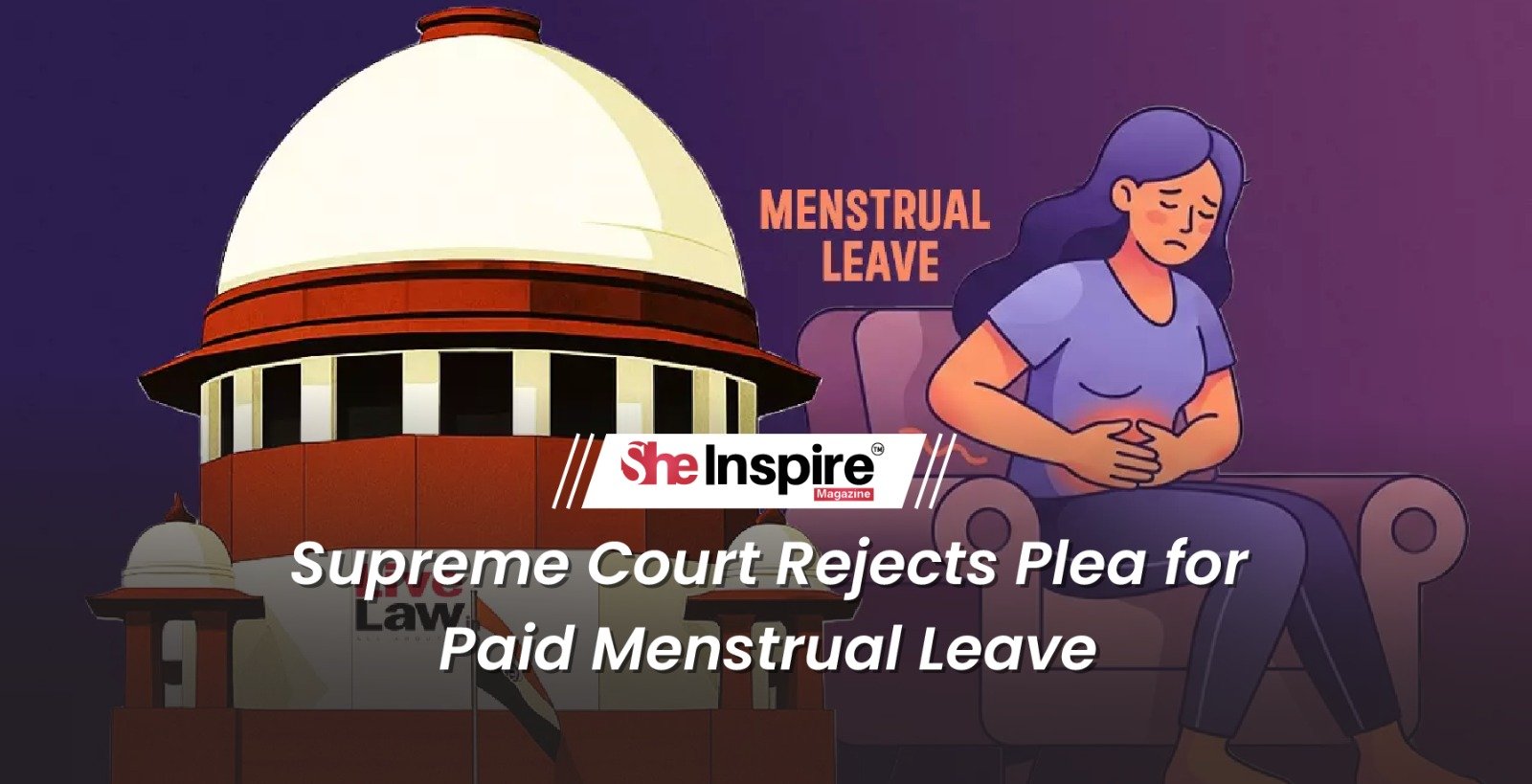
In a major development for Female Empowerment News India, Chief Justice Surya Kant and Justice Joymalya Bagchi did not agree to consider a request for paid menstrual leave for working women and female students throughout the country on March 13, 2026. The order gave no direction to the Centre or the states, and for the women who had hoped the highest court would finally turn a monthly reality into law, the day ended with a familiar message to wait. The petition came from lawyer Shailendra Mani Tripathi, and it was his third attempt on the subject, after earlier ones were disposed of in February 2023 and July 2024.
Why the bench was worried about who gets hired
The courts did not say menstrual pain is something that can't exist. What the judges were concerned about was the impact of the legal order beyond courtrooms. Post the menstrual leave judgment in the Supreme Court, the bench observed that mandating leave could make employers less inclined to employ women, and worsen the very stereotypes such law seeks to alleviate. The Chief Justice also questioned the petition itself, noting that no woman had come forward seeking the relief and describing such cases as “deeply rooted, designed PILs”. Justice Bagchi echoed the point by referring to job-market realities and the business worries employers carry. It is a fair concern, and an uncomfortable one, because it asks women to manage an employer’s bias instead of asking the employer to drop it. Many readers will recognise the logic from their own careers: ask for too much accommodation and the offer quietly goes to someone else.
What can still happen without a national rule?
The court did not slam the door altogether. It allowed for the user's leeway which employers have to offer, observed that the petitioner had already made a representation which the concerned authority can look into and, after talking to all those concerned, convert it into a policy. His lawyer pointed to states and private companies that already grant such leave, so the practice exists, just without one rule behind it. If you are a woman in India seeking a menstrual leave policy for your own desk, factory floor or classroom, the truth is - for now - it's up to your boss, your state and a whole lot of luck.
Where we stay open is who continues the conversation from here. For example, by getting the policy from the in-the-room women workers, rather than just lawyers and executives, it could address the hiring concern the judges brought up without still having no one to take the bad days in stride. It is entirely up to others for that conversation to start, and for how soon. The ball is in the officials' court now, who must interpret that message and decide whether to invite anyone into the room.