Supreme Court Examines Women's Rights And Transgender Law
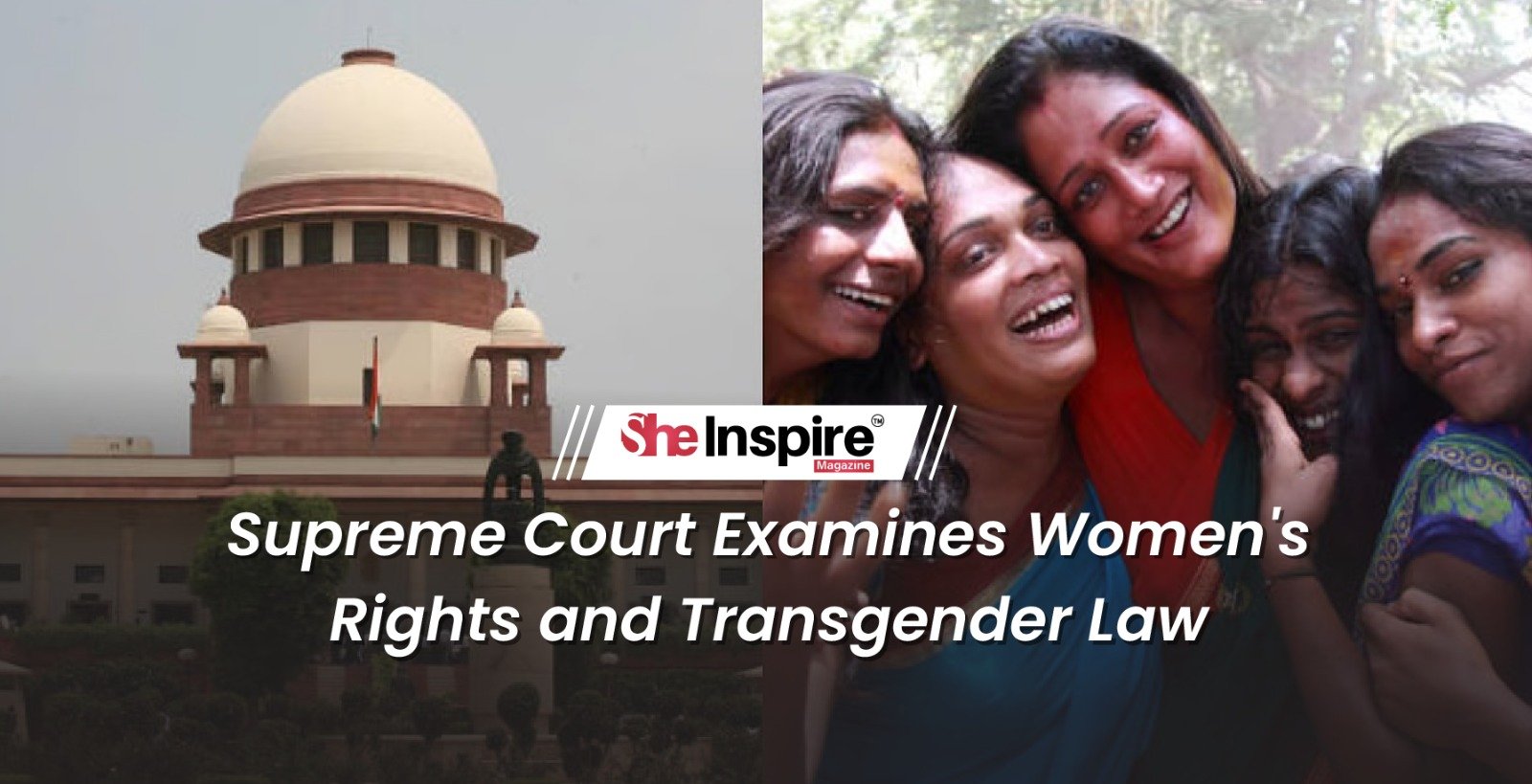
On Wednesday, 28 October, a short hearing at the Supreme Court brought a new, fraught dimension to a conversation around gender in India. The court's three-judge bench of Chief Justice Surya Kant, Justice Joymalya Bagchi and Justice V Mohana asked the Centre to file an affidavit in response to a public interest litigation petition from Women's Declaration International India, in which the law could undermine safeguards for women. Nothing has been decided. The court has asked for an answer, and that single step places one of the most sensitive questions in Indian law before the country’s highest court.
What the Women’s Petition Raises
The petition was tagged with a batch of cases already pending against the 2026 amendment. Those cases allege that the changes, including how transgender identity is recognised, violate the rights of transgender persons. The new petition comes from the opposite direction and has become part of the wider conversation on the Supreme Court on women’s rights. It says the law could affect women’s reservations, gender-based prison accommodation, participation in sporting competitions and safeguards available to women during criminal investigations. For the petitioner, Senior Advocate Akhil Sibal submitted that transgender persons need to be treated equally and given the same benefits. He submitted that the query is whether the rights can go beyond what is meant to be enjoyed by women, and that is the phrase used in the petition. In addition, for the SG, there were other examples, like women's toilets and the rule that women police officers should conduct searches of women or record their statements. He said the concerns would be addressed in the Centre’s reply to the batch.
Why This Case Asks for Patience
Both groups in this courtroom know what it is to be left outside safe spaces. That is not an argument for choosing a side. It is a reason for the court to hear both with care. Critics of the amendment say it takes away recognition that transgender persons had won, and the women’s petition asks for reassurance that long-standing protections will not be diluted. The two arguments need not be completely balanced, although their solutions will likely need to be precise: what the Act alters, which safeguards and facilities are sex-based, and how to deal with potential overlap. On this point, the debate over transgender rights in India is likely to turn on detail more than on slogans. Justice Bagchi remarked this week that the main batch was almost ready for hearing, which suggests clarity may not be far off, and the court has also reportedly stayed High Court proceedings on the law to avoid scattered opinions. No ruling has been made, and none should be guessed at. As discussions surrounding Women Breaking Barriers India gain momentum, what can be said is that a country’s ideas of safety, dignity and fairness are being asked to hold more than one truth at once.