
Rising urban female workforce faces growing job scarcity
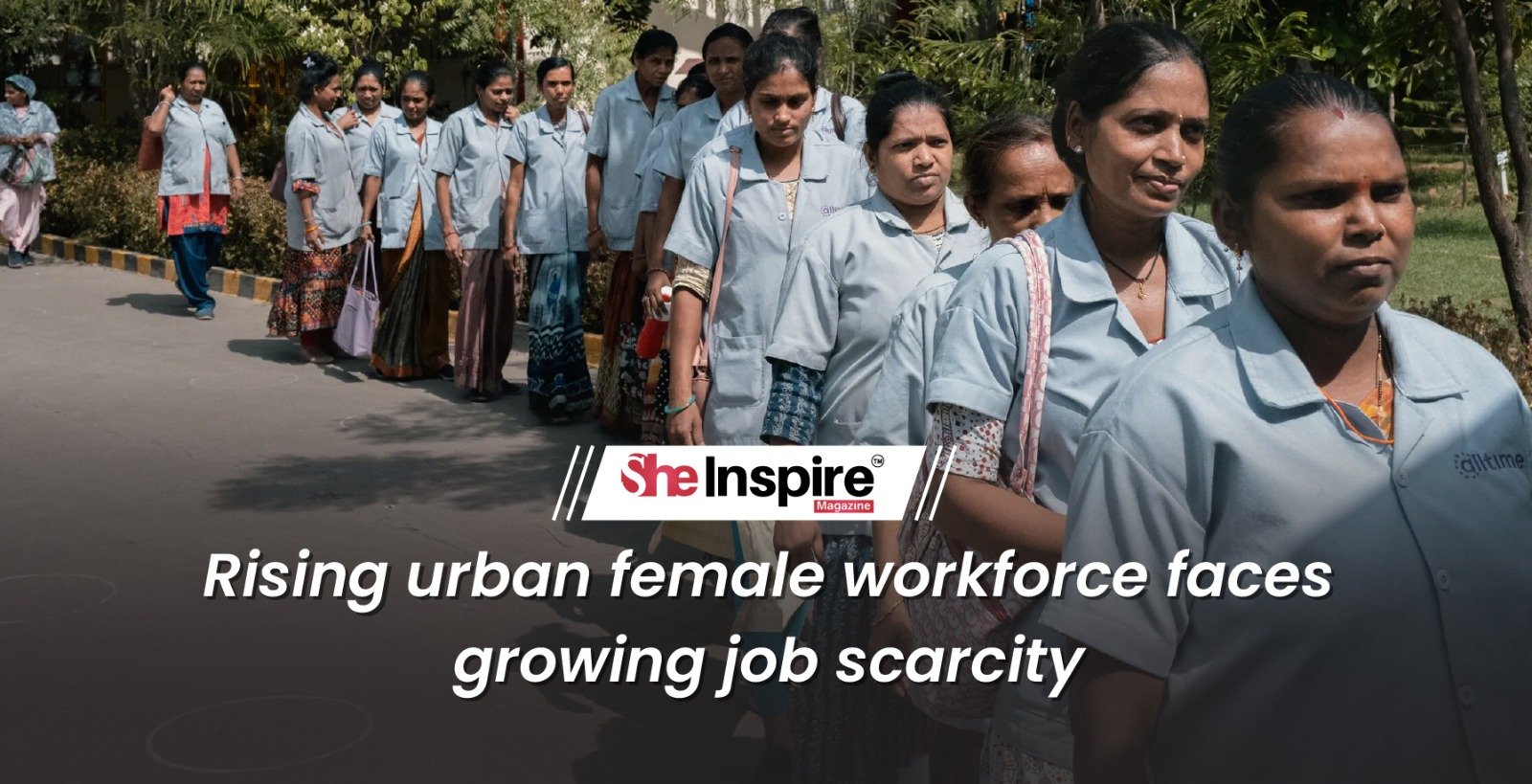
Last month’s labour data had good news from the villages and a harder message from the cities. PLFS September 2026 women numbers on 15 October reveal 25.9% urban female labour force participation, its highest value since 15 October 2025. Urban female unemployment in the same bulletin increased from 8.9% to 9.2%, while rural female unemployment decreased to 3.9%, the lowest number in 2026. More city women are stepping forward, and a slightly larger share of them are not finding work.
Two Unemployment Rates in One Country
Set side by side, the numbers describe two different labour markets. A city woman looking for work faces unemployment of 9.2%, more than double the 3.9% a village woman faces, and both sit around an all-India rate of 5.0%. Women’s labour force participation in India is also moving in different directions. Rural women, on the other hand, have seen better improvement over the last 12 months, and the urban rate of 25.9% remains just below the 26.1% figure for September 2025. There were 23.5% of women with a paid job and living in an urban area, a shortfall of around 2.4 percentage points compensated by women still seeking paid work.
Why cities lag deserves careful reading. The question is about what you were doing in the week before the survey is asked, so the Month can change in either way, and no bulletin can tell you why. The most reasonable reasons, although reasons rather than conclusions, are simple to state. Jobs for women in the city are likely to be clotted with set hours and a journey in and out; work in the village, chaotic as it may be, is likely to be near at hand and flexible enough for caring responsibilities.
What Cities Owe the Women Who Keep Trying
A woman who keeps coming back by entering the workforce at a higher unemployment rate is helping. Employers and city planners will now do their share: flexible schedules, part-remote jobs, safe city transport at night, and recruiters who aren't suspicious of a career break. None of these is a favour. They are the conditions that let 25.9% become 23.5% and then something higher.
Numbers for next month will, of course, likely change once more, but a slight downward or upward movement doesn't alter the central narrative. In essence, these polls are measuring actual women who want to do their jobs and also maintain long commutes, inflexible work hours, and family commitments. Looking at these monthly updates only matters if we keep our eyes on the people behind them. The real mark of progress isn't just how many women feel motivated to step out and look for work, but how many actually get hired into jobs that make sense for their lives.