A Rewa water protest leaves one woman dead, unanswered
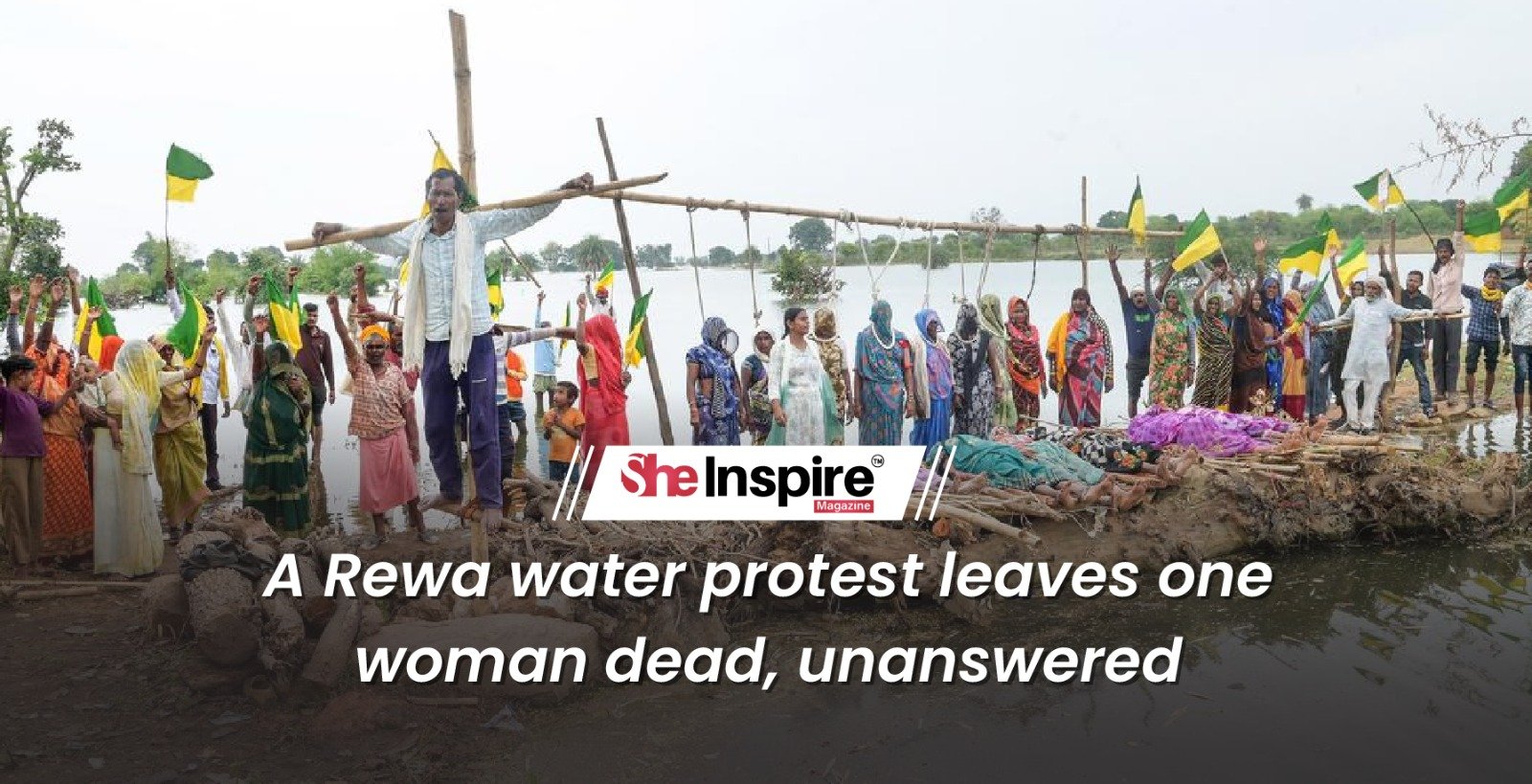
Vimla Kol, an Adivasi woman from the Rewa district of Madhya Pradesh, passed away Thursday, 22 October 2026, after four days of 'jal satyagraha' alongside fellow villagers against the planned Tata nuclear power plant. A jal satyagraha is a protest in which people stand in water. She was hospitalized and died the following day, after her condition worsened on Wednesday, reports said. The Rewa nuclear power plant protest now has a death attached to it, and the questions around it are growing.
What Is Known and What Has Not Been Confirmed
Her husband, Jamuna Kol, said she had opposed the project from the start and asked whether the administration could return his wife to him.The district administration had stated that no land has been allotted to Tata Power for setting up the plant and that the preliminary works are just to see if the area is appropriate. No medical reason for her death has been established or confirmed to be connected with the protest. Both gaps matter. They feel grief and rage will be convinced of one side or the other, but the thorough reading is that a woman died during the protest and the reasons are to be determined.
Why Women Stand at the Front of Land and Water Protests
Women have pioneered the anti-land and water and livelihood protests in villages, because they are the ones responsible for fetching water, firewood and food. Women are the ones who responded to the 'call' to block the Koodankulam atomic power plant in 2012, from Tamil Nadu. Such protests are slow, demanding on the body and rarely noticed until something goes wrong. A jal satyagraha held over four days is especially hard on anyone, and harder still for older or unwell villagers.
What this grieving family and the people of Rewa are asking for isn’t complicated, it is simply the truth. They need an honest, transparent medical report that explains how a life was lost, an official public stance on the fate of the local plant, and a seat at the table where their voices are actually heard, not just dismissed. A death under these circumstances demands accountability, not silence. This investigation is far from over, and the spotlight will remain firmly on the brave local women who refuse to let another life slip away without answers. For generations, these women have borne the responsibility of putting food on the family table, against the odds. Now, in the wake of tragedy, they're transforming grief into a power that no leader can afford to ignore. What they're asking for is straightforward but non-negotiable: answers, safety, and dignity - now - for every family in the village.