NCW Pledges To Make India Child Marriage-Free by the Year 2030
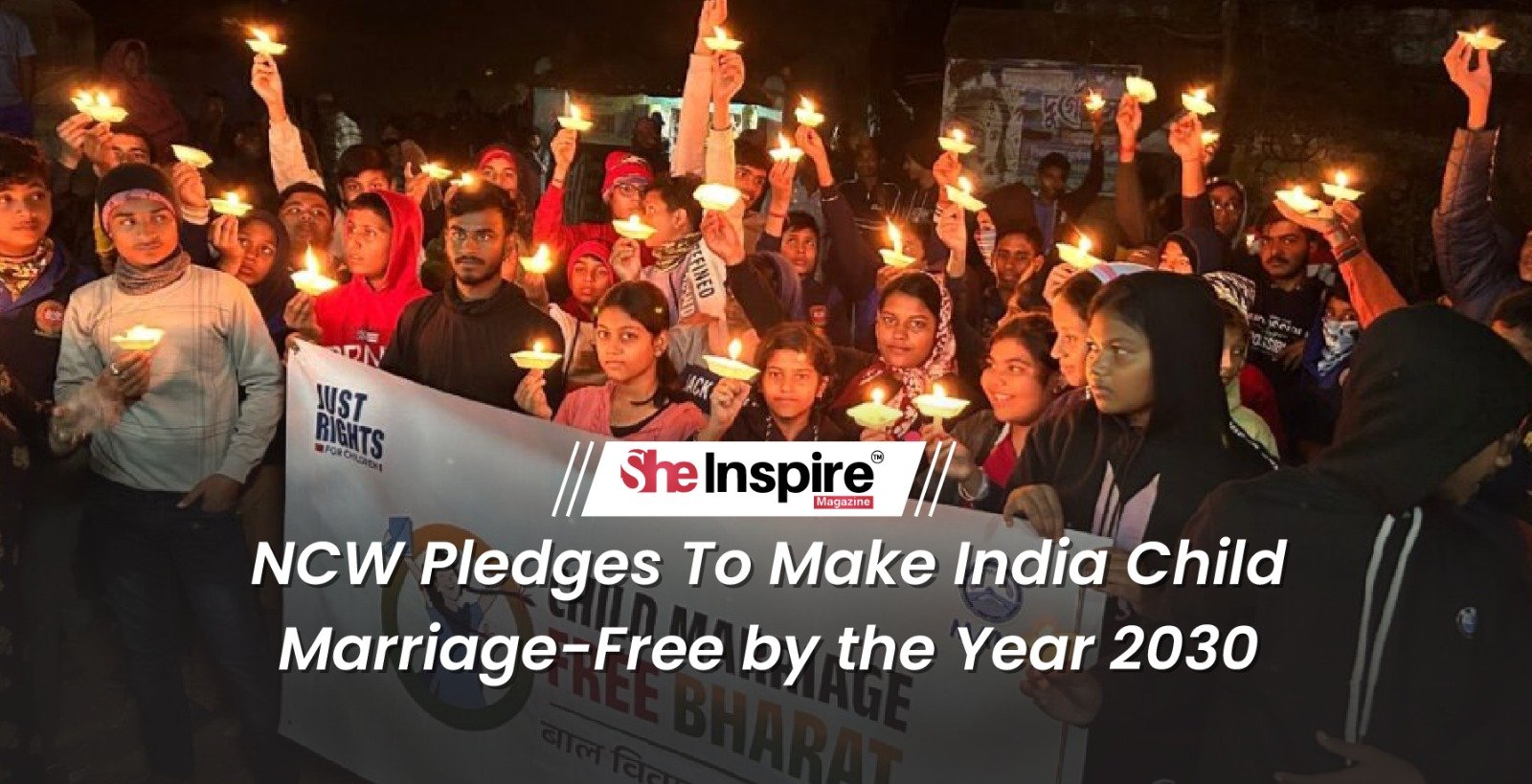
There was a collective raising of hands in the auditorium of AIIMS Rishikesh: Women from self-help groups, Anganwadi networks in the locality, and Lakhpati Didi beneficiaries gathered for the Shakti Samagam event organized by the National Commission for Women (NCW) in partnership with the State Commission for Women of Uttarakhand to take a pledge for a child marriage-free India by 2030. 'I pledge to make India free of child marriage by 2030': A pledge was taken to keep all young girls safe from all forms of harm and provide proper education to all children.
Why an oath in a hall matters, and where it stops
You might be wondering, what use is a vow when the law exists? The girl cannot get married in India before she is 18 now; it has been a law for quite some time. What the oath adds is a public promise from the people best placed to act on it. The women in that room are not distant officials. They run village savings groups, visit homes to check on mothers and children, and know which family is quietly arranging a wedding for a daughter who should be in a classroom. When NCW Vijaya Rahatkar asks them to stand up and say it aloud, she is asking neighbours to become watchful on the girl’s behalf.
But a promise has limits. Families give not marriage but flight in when they have no choice, not out of spite, but because of financial hardship, fear of harm, or to deal with relatives to carry out. An oath changes nothing about it, unless it is backed by the very thing making the marriage possible: a school not more than two kilometres away, a scholarship that allows the girl to remain in class, a reliable person that can be called on when the wedding is being arranged. Rishikesh's reports do not specify what follow-up the programme will have, so that's the part to keep an eye on. That's an awfully lot of faith to hope for from an oath, and that's why it deserves backing.
What 2030 will really ask of us
A date gives us something to aim for, and a target demands accountability. What we should be measuring by 2030 is not the number of claims made, but how many girls remained in school, how many weddings we averted, and how many complaints someone got on the phone and acted upon. Child marriage prevention in India has depended for centuries not on one defining statement, but on uncountable small and unassuming decisions made by a teacher, nurse, or aunt. The auditorium hands were raised in one town on one day. The harder promise is the one that has to be kept in villages where nobody is filming, one girl at a time, until the date on the calendar arrives.