India Celebrates 50 Years of Women's Test Cricket Stars
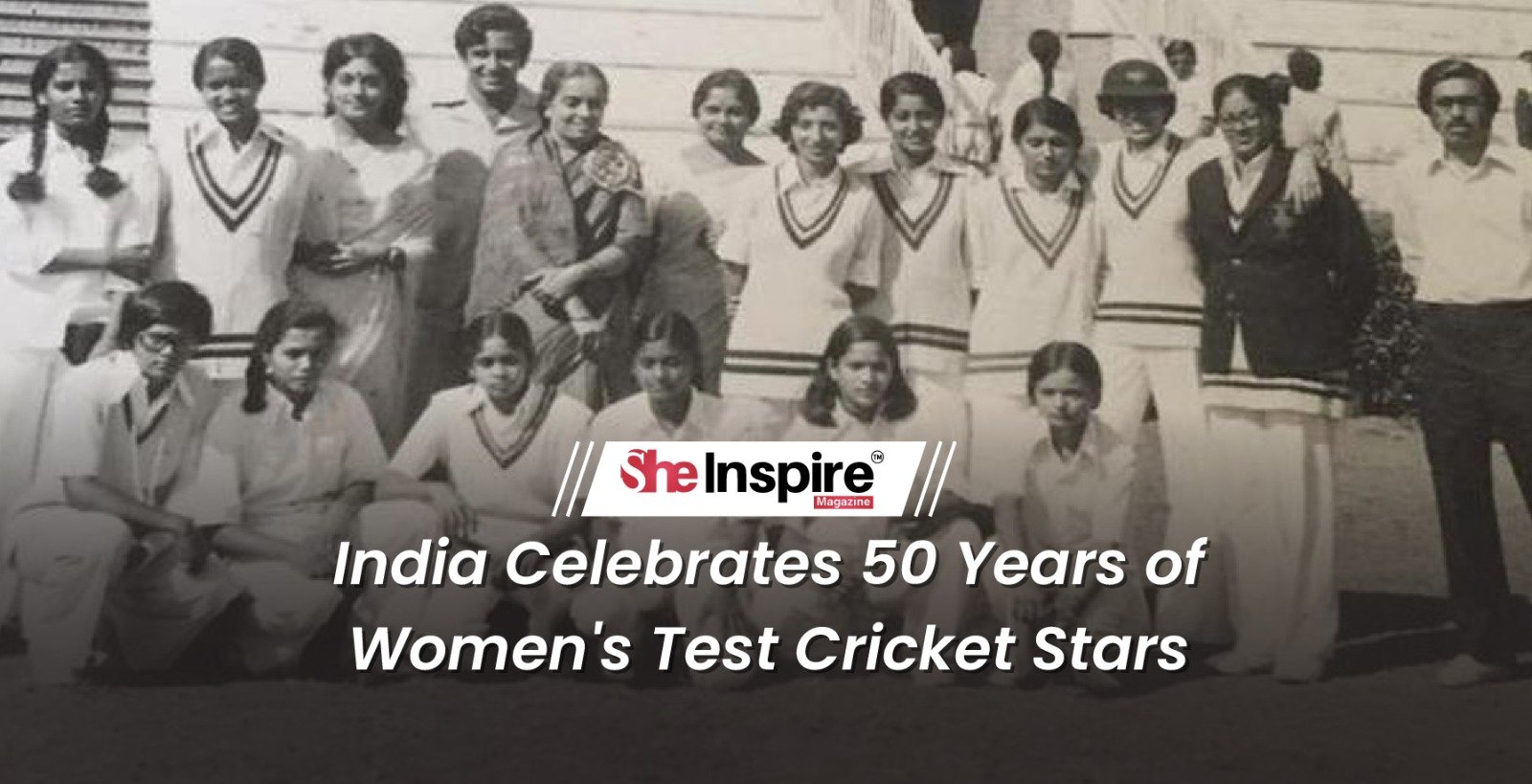
Today marks the completion of fifty years since young Shubhangi Kulkarni, aged 19, took strike in the middle at Chinnaswamy Stadium in Bengaluru. Along with the other ten teenagers who donned the cap for India at its first-ever Test and official international. She took five for 48 in the first innings and said 50 years later she recalls well the elation and solemnity with which the girls squad arrived for a game that few could have imagined would come to define anything. Her recollections to IANS, shared as the country marks 50 years of women’s Test cricket, read less like a record book and more like a family album.
A game played on borrowed support
What stands out in Shubhangi Kulkarni’s memories is how much stood between those players and the field. They had to win permission from their families, and many paid for their own travel, because there was no machinery in place to carry them. They trained under Lala Amarnath, a name that carried weight in the men’s game, and they went out anyway. When India won its first Test, in Patna, she recalls the crowds that turned up, a reminder that people were willing to watch long before the sport was willing to invest in them.
Support came later, and it came slowly. Kulkarni credits Sharad Pawar with helping bring about the 2006 merger of the Women’s Cricket Association of India with the BCCI, a quiet administrative change that put women’s cricket under one roof and, eventually, behind a real budget. It is worth sitting with how recent that is. The same players who started in 1976 spent three decades waiting for the sport’s main body to count them in.
From teenage squad to world champions
It is hard not to set that story beside the present. India is the current Women’s World Cup holder, having won in 2025, and the team is a regular fixture of headline cricket. The country will host the first Women’s Champions Trophy in February 2027, an event Kulkarni says she welcomes. None of this would read as ordinary without the squad that paid their own way and kept going.
The real inheritance of Indian women’s cricket history is not a trophy cabinet but the idea that a girl can ask to play, and be taken seriously when she does. Kulkarni’s generation did the unglamorous work of making that idea believable, and the players who followed have lived inside it. It is easy to cheer a World Cup win; it takes more imagination to cheer a teenage bowler in 1976. A half-century is a good moment to say thank you out loud, and then to ask who is still waiting to be counted in.