
Indian Moms Face Big Hurdles After Work Leave Ends
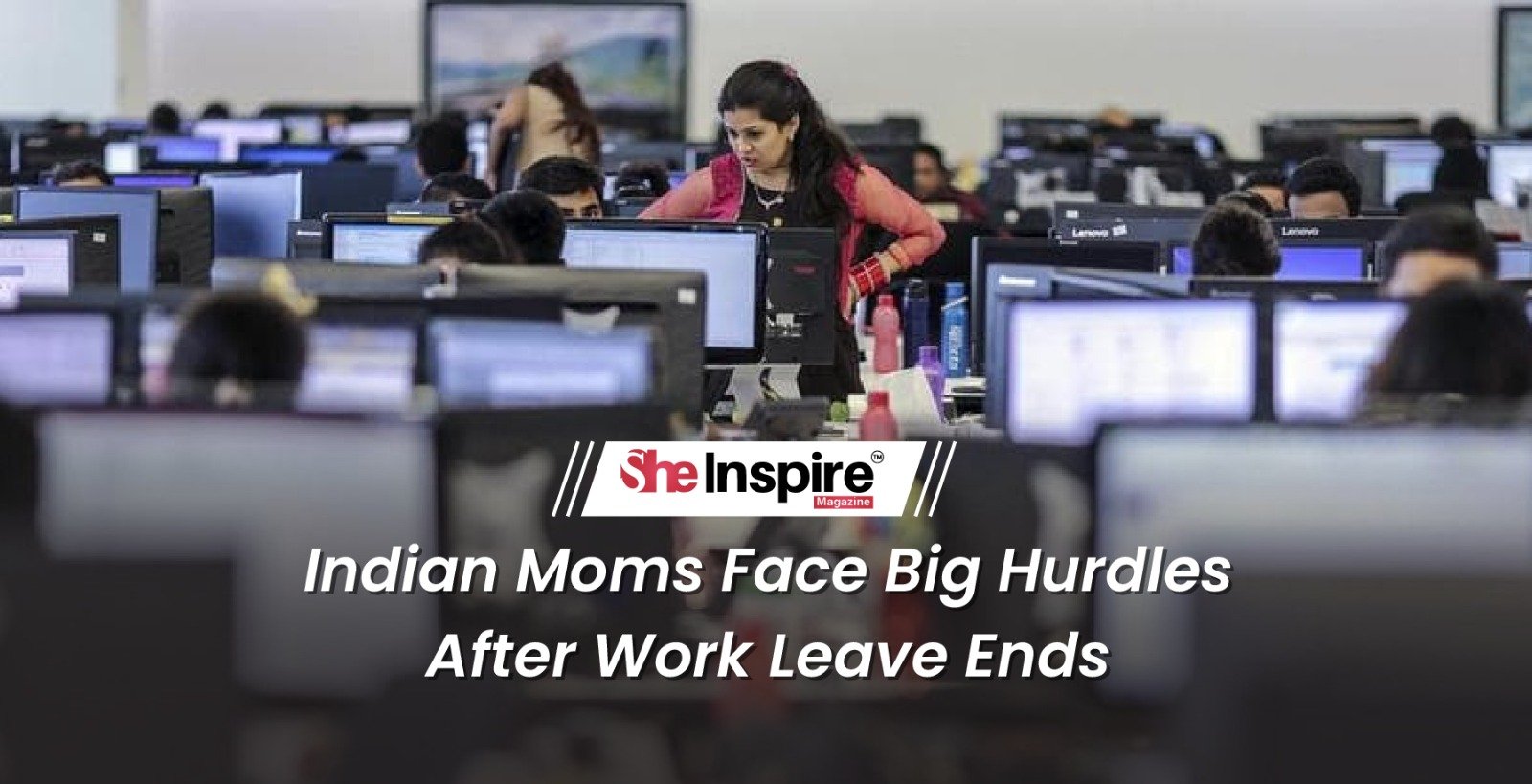
Most working women in India already get twenty-six weeks of paid leave by law, so going on leave is seldom what worries a new mom most about returning to work. Going back to work brings a whole lot of questions to mind. Is her desk still hers? Who will care for the baby mid-morning? Do her colleagues see her as committed as ever? When working moms run into day-to-day troubles, it shows how far existing laws fall short of what they really need. A workshop on maternity protection in Ernakulam on November 5, 2026, zeroed in on that exact mismatch. The International Labour Organization released insights from this workshop on November 20, igniting a much-needed conversation around these challenges. The meeting, named "Maternity Protection and Women-Friendly Workplaces: From Workplace Practices to Policy Action," was held by the Kerala Institute of Labour and Employment with the International Labour Organization and Kerala's Women and Child Development Department
When the Leave Ends, the Real Test Begins
Government officers, employers, workers' organisations and HR professionals sat in the same room, and the main message was simple: benefits written in a statute are only the starting point. Women need workplaces where coming back feels safe, childcare they can trust, and protection from being quietly sidelined for becoming mothers, which is why so much of the discussion went to return-to-work support, to employers understanding their duties and to making sure women actually know what they are entitled to. The workshop also built on earlier steps, including a first consultation by the institute in September and a national training programme for trainers on maternity protection in May, backed by the ILO with support from Japan, and an ILO specialist, Mariko Ouchi, took the group through the ILO's Maternity Protection Convention of 2000.
The law appears strong when you read it. Starting from 21st November 2025, maternity leave policy is contained within the Code on Social Security, which provides most women with twenty-six weeks of paid leave but reduces it when they already have two children. Nobody can fire her while she is on leave. She also gets two nursing breaks a day till the child turns fifteen months, and a creche at offices with fifty or more staff. A woman must work at least eighty days in the year before delivery to qualify, so maternity leave in India still hinges a lot on her job type and her boss. Those very rules are broken by the workshop, and they affect women the most who are least told what their rights are.
The Women the Law Still Leaves Waiting
Speakers pointed to a serious gap for women in gig, platform and other non-standard work, and the legal picture explains why. The Code treats unorganised and platform workers through government schemes, and a recent legal analysis notes that the schemes for gig and platform workers are something the government may frame, not something it must, which means maternity cover for them is still a hope and not an enforceable right. For a delivery rider, a domestic worker or a woman who stitches clothes at home, a baby can mean stopping work with no pay at all, and no crèche or nursing break can fix that.
However, women with paid employment still experience gender gaps that self-governing rules cannot close, the same report adds. There is no sure shot at getting the same role back or one close to it; working from home depends on the boss, and pregnancy is not guarded during hiring, so a firm paying leave costs itself may hold back before hiring a young woman. These are not dramatic injustices that make headlines; they are small closed doors that add up over a career, and they show up in the numbers, since the October labour force survey put the share of women who are working, the female force in the Indian economy, at 33.3 per cent, about forty points below men. A workplace that makes the return after childbirth hard can only widen that gap.
Ernakulam ideas were not big talk but useful things, all very practical: closer work with bosses, improved help to return to work, awareness of rights and closer work between government offices, and organisers are saying they are after very real change. What matters now is whether any of this reaches the woman at home with a newborn, doing the sums on whether she can afford to go back, and whether the people in that room will make sure the crèche, the job to return to, and the right to ask for flexible work are things she can count on and not things she has to hope for.