The New Reality: Why More Women Are Entering Perimenopause in Their 30s
By She Inspire Health Desk
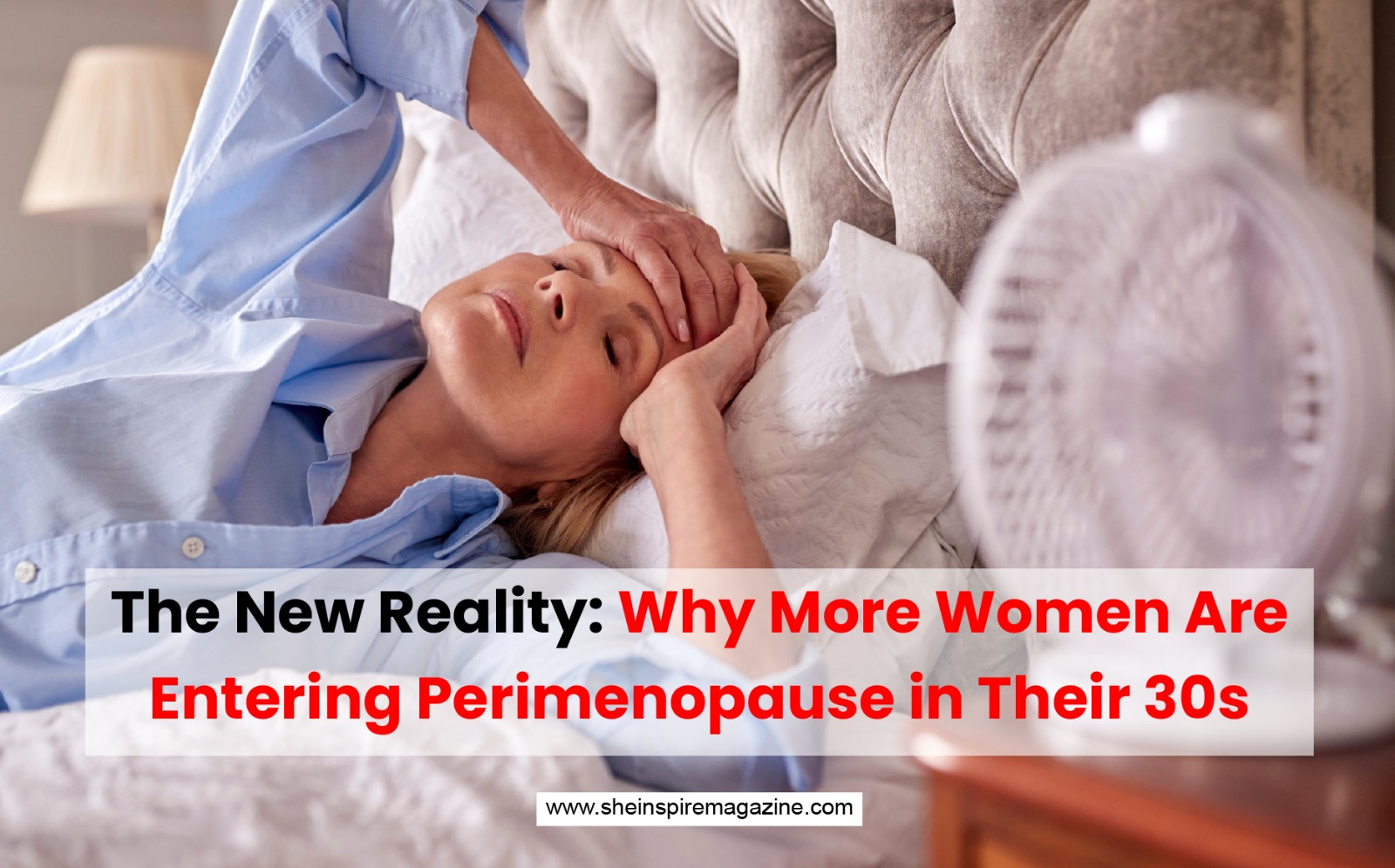
For a long time we've been taught that menopausal perimenopausal stage that precedes menopausal changes is something you should anticipate in your 40s and the early 50s. However, for a larger percentage of women today, the change is happening earlier.
All over the world women from their 30s and early 40s have noticed changes to their cycles, hormones and energy levels as well as emotions and are then able to realize that the issue is perimenopausal.
It's not just "in their heads."
"I Thought I Was Too Young for This"
Imagine that you're a 34-year-old working full-time and juggling your family obligations, and then your regular periods begin to go out of control. You're always exhausted, trying to fall asleep, and yelling at your loved ones without justification and your clothes are getting tighter despite the fact that your routine isn't changing.
If you search for your symptoms, you search for your symptoms, and " perimenopause " pops up. However, shouldn't it be expected to occur later?
The answer is no longer.
Doctors and health professionals have noticed an undisputed pattern that women are perimenopausal older than the previous generation and is raising serious concerns about stress, lifestyle and the hidden costs of living in the modern world.
What's Causing This Early Shift?
Every woman's body is unique Certain key aspects may be responsible for this pattern:
1. Chronic Stress is Taking a Toll
Modern life is an immense burden such as the pressure of work, relationships and financial uncertainties, as well as the ever-present mental burden from "doing it all." Stress over the long term doesn't just drain your mind, it also alters the hormones in your body, too. In time, this could cause your reproductive system to be out of balance.
2. Lifestyle Choices Are Catching Up
Poor sleep, a inadequate diet, excess sugar, caffeine or alcoholall of them make the body more stressed. Combine this with sedentary lifestyles as well as screen addiction and you've got yourself an ideal recipe for confusion in the hormones. We all unknowingly put our bodies into a burnout state.
3. Environmental Toxins Are Everywhere
From kitchen plastics to the chemicals that are in our cosmetics We are constantly exposed to compounds that disrupt the endocrine system. These toxic substances interfere with the way hormones work and scientists believe that they may accelerate the aging process for women.
4. Underlying Health Conditions
Thyroid imbalances, PCOS, or autoimmune issues might not be related to menopausal issues however they play a significant role in the regulation of hormones. If left untreated and untreated, they could speed up the process of perimenopausal.
5. Medical Interventions
Certain treatments, such as radiation, chemotherapy, or even some procedures can alter the ovarian function. Women who have cancer histories or treatments for autoimmune diseases are particularly susceptible to early shifts to hormone levels.
How Do You Know If It's Perimenopause?
The signs and symptoms can be difficult initially but often misinterpreted as burnout, stress, or depression. The following are the most frequent complaints from women:
- Unusual periods (heavier or lighter) or unpredictability)
- Afraid, mood swings and feeling "off"
- Hot flashes, sweaty nights or sudden flashes
- Sleeping difficulties
- Problems with concentration or brain fog
- Weight loss, particularly around the belly
- Lower libido
- Dryness or discomfort in intimate relationships
Many women live their lives without knowing what's happeningor even having doctors instantly recognize perimenopausal symptoms especially for younger women. It can leave women feeling overwhelmed and disengaged.
Why This Matters
The early perimenopausal phase isn't only about menstrual cycles. It can also affect:
"Mental health: Higher likelihood of experiencing depression, anxiety and emotional overload.
The process of planning a family gets more complex.
Heart health and bone health: Lower estrogen levels may cause bone loss and adversely affect the cardiovascular system.
Self-image: It's tough to be confident when your body appears to be doing something against you.
The truth is that the awareness of everything. The more we know the internal processes of our bodies and our bodies, the more we are able to gain the control.
What You Can Do -- Starting Now
If you're concerned that you could be experiencing perimenopausal symptoms early You're not aloneand certainly not in a position to take action. These are the steps you can take to help you maintain your health:
1. Talk to a Doctor Who Listens
Find an endocrinologist, gynecologist or women's health specialist who is attentive to your concerns. Find out about tests for thyroid hormones, thyroid testing as well as vitamin panel.
2. Revamp Your Daily Routine
- Even small changes could make a big difference:
- Prioritize hygiene at night
- Cut down on processed foods, sugar and alcohol
- Include exercises for weight bearing along with regular movement
- Practice mindful meditation even a few minutes every day can be beneficial.
- Avoid products that are toxic -change to clean beauty and household items.
3. Don't Be Afraid of Hormone Support
Based on your health and medical background, your physician may recommend natural remedies as well as hormone replacement therapy (HRT). These aren't taboo; they're instruments.
4. Find Your Circle
Menopausal symptoms can be a source of isolation particularly when you're among the first members of your friends group to experience the onset of it. Participate in support group meetings, chat with other women, and share your experience. You're helping others.
The Takeaway: Your Body is Talking -- Are You Listening?
The onset of menopausal symptoms in your 30s isn't a failing, a flaw, or a cause to be concerned about. It's a natural change -and, like all phases of life it has the same challenges and opportunities.
In She Inspire , we believe in respecting your body by relying on your intuition and assisting each other through each step. If you're a woman of either 28 or 38 years old, what's important most is what's going on and you're aware of how to take care of yourself completely and with confidence.