NHRC Issues Advisory for Women's Safety at the Workplace
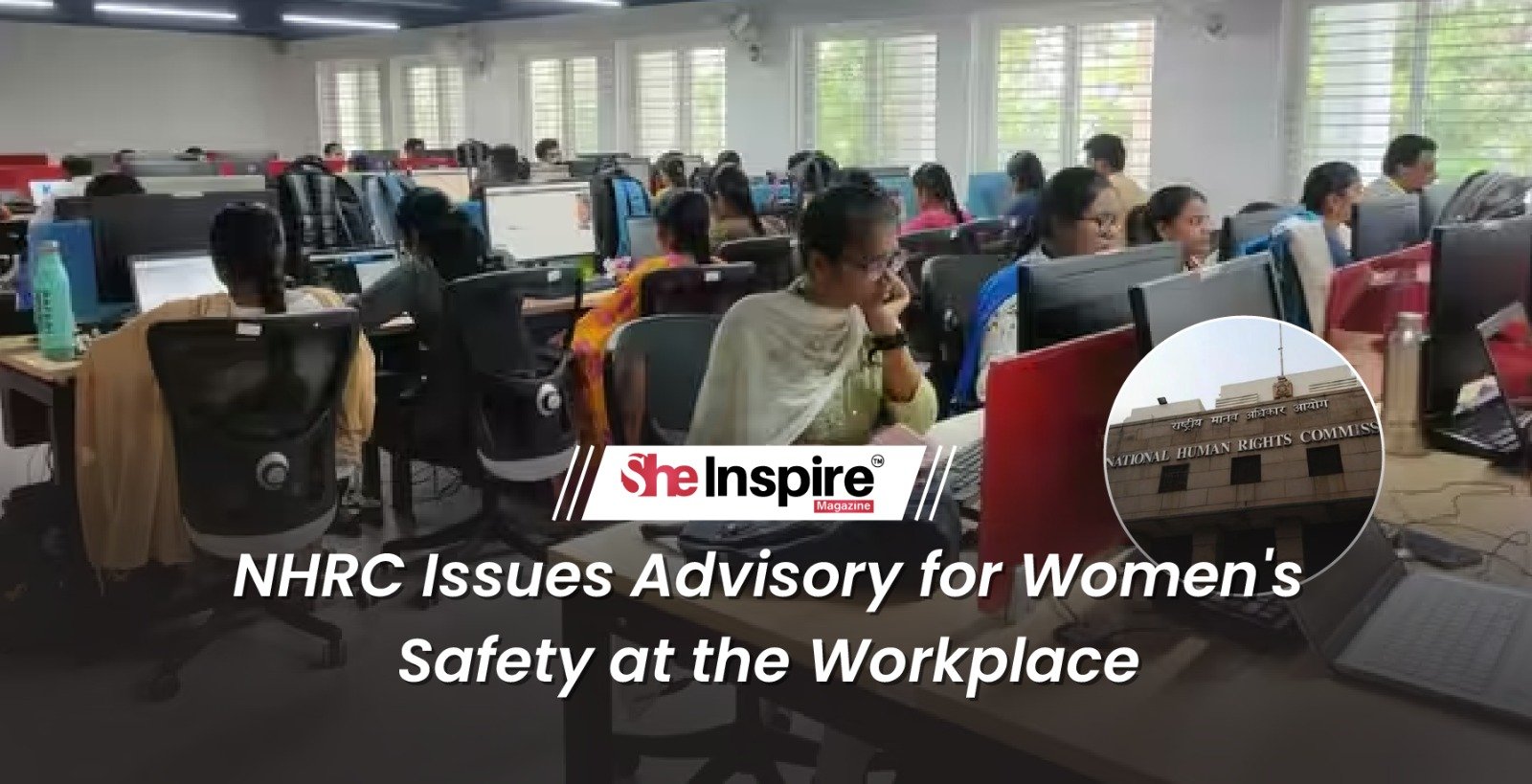
If you ask any working woman about safety, she will most likely start small: the cab from which she sends a live location link, the corridor she steers clear of past 7 pm, the senior woman at whose joke she laughed when it was easier than risking a scream. Given such realities, the National Human Rights Commission (NHRC) has issued an advisory to Union ministry secretaries, the Railway Board chairperson, and all chief secretaries/administrators of states and Union territories. What makes this advisory binding is that each of these functionaries will have two months to inform the NHRC of what actions they have taken.
What Labor Data Reveals About Female Safety Needs
The Commission grounds its statement with two numbers that are in tension. Women's labour force participation stood at 34.6 percent in September 2026, and the latest NCRB report noted roughly 4.4 lakh crimes against women. Any woman who has compromised on a career opportunity for a long walk home or a bad stretch of roads can see the connection, as the country continues to call for more women to join the paid economy when its roads remain imperfect. As for the NHRC, safety is a source of constitutional justice and equality of opportunity, which shifts the tenor of the question from kindness to entitlement.
The committee categorises its recommendations into eight groups: Understanding harassment, infrastructure, bystander interventions, police, support for victims of harassment, cyber crimes against women, long term measures, and other measures. As highlighted across women empowerment articles, published summaries do not spell out the steps under each heading, so the full document deserves a patient read. Even as a list of headings, though, it feels written by someone who knows how safety actually erodes, rarely in one dramatic moment and far more often through a dark stretch of road, a crowd that looks the other way, a desk where complaints get talked down, or a stranger’s messages that follow a woman home.
Will the Action Taken Report Change Anything?
This is where the two-month deadline gets interesting. An Action Taken Report sounds like paperwork, yet it is the one part of the process that can be examined afterward. Ministries and states will have to describe what they actually did, which gives journalists and workers’ groups something solid to check. Advisories often gather dust, so the real pressure may come from women asking their own employers and local officials which of these steps ever reached their workplace. If the reports are made public and read closely, this could turn into a modest but real turning point. If they are filed quietly and forgotten, it will join a long shelf of good intentions, and women will go on doing the careful mental arithmetic they already do every evening.