
Missing Toilets Keep Women Away From Work
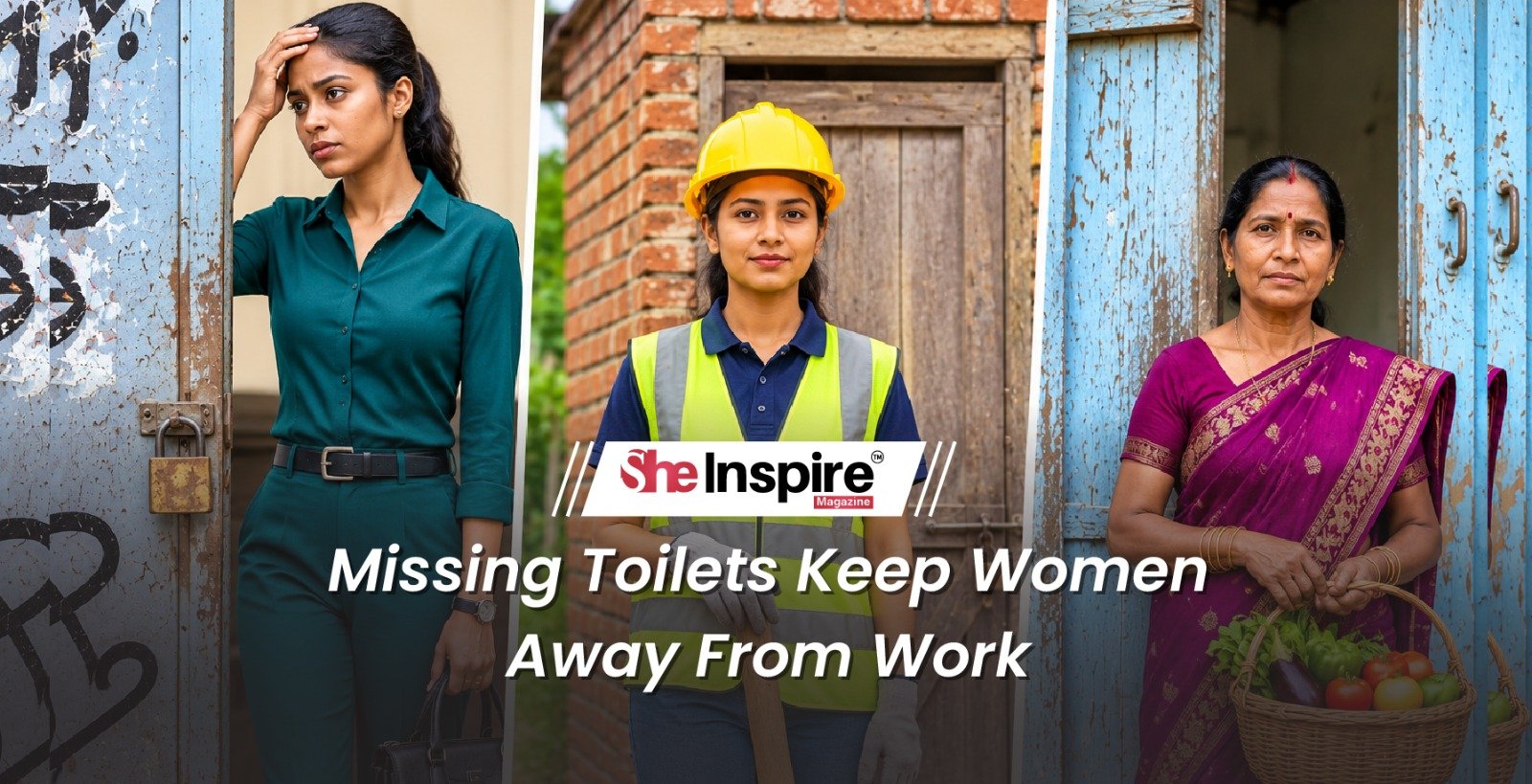
A woman who sells vegetables from a street cart may need to walk a long way, submit a surprise payment, or go all day without a bathroom break. That daily problem has been given a name, toilet poverty, and it is back in the policy conversation because of a large study from Kolkata that is being cited in discussions about why so few women work outside the home.
Paying Just to Use a Toilet
In 2025, a survey of more than 7,500 women by the Azad Foundation and the Sabar Institute showed that all most of the city's wards were respondents who worked in informal jobs such as street vending, driving and domestic work. Informal workers paid 10% of their daily income on pay and used toilets that were unsafe and unsanitary. Seventy-two per cent of the women who answered said these toilets take up about a tenth of what they earn; more than half felt public toilets were unsafe, and around thirty per cent called them dirty or very dirty, so many women said they cut down on drinking water during the day just to avoid needing one. Men can use urinals for free in most spots, yet women often have to pay for scarce public toilets. More than ten years ago, Mumbai's Right to Pee campaign brought this gap into the open by showing how the city had far more toilets for men than for women.
A Barrier Hiding in Plain Sight
The effect on women's workforce participation is easy to see once it is named. India's latest labour survey puts the share of women who are working at about 33 per cent, compared with nearly 74 per cent for men, and the reasons are many, but a job that offers no safe place to use a toilet is a job that is hard to keep for a woman who also carries the household on her back. A lot of women avoid public toilets as well because they think they may face harassment; studies of cities have already shown that toilets located in dark corners or in isolated places are not safe. For women living on meagre incomes, forgoing one-tenth of a day's salary for a trip to the toilet is a huge sacrifice. Local civic bodies can address this problem by ensuring public toilets are free for women, and easily accessible, fragrant and illuminated. The new toilet blocks should also be built around the spaces where vendors and lorry drivers work, the engineers behind the Kolkata survey hope.