Government Hosts National Conference to Strengthen Workplace Safety for Women
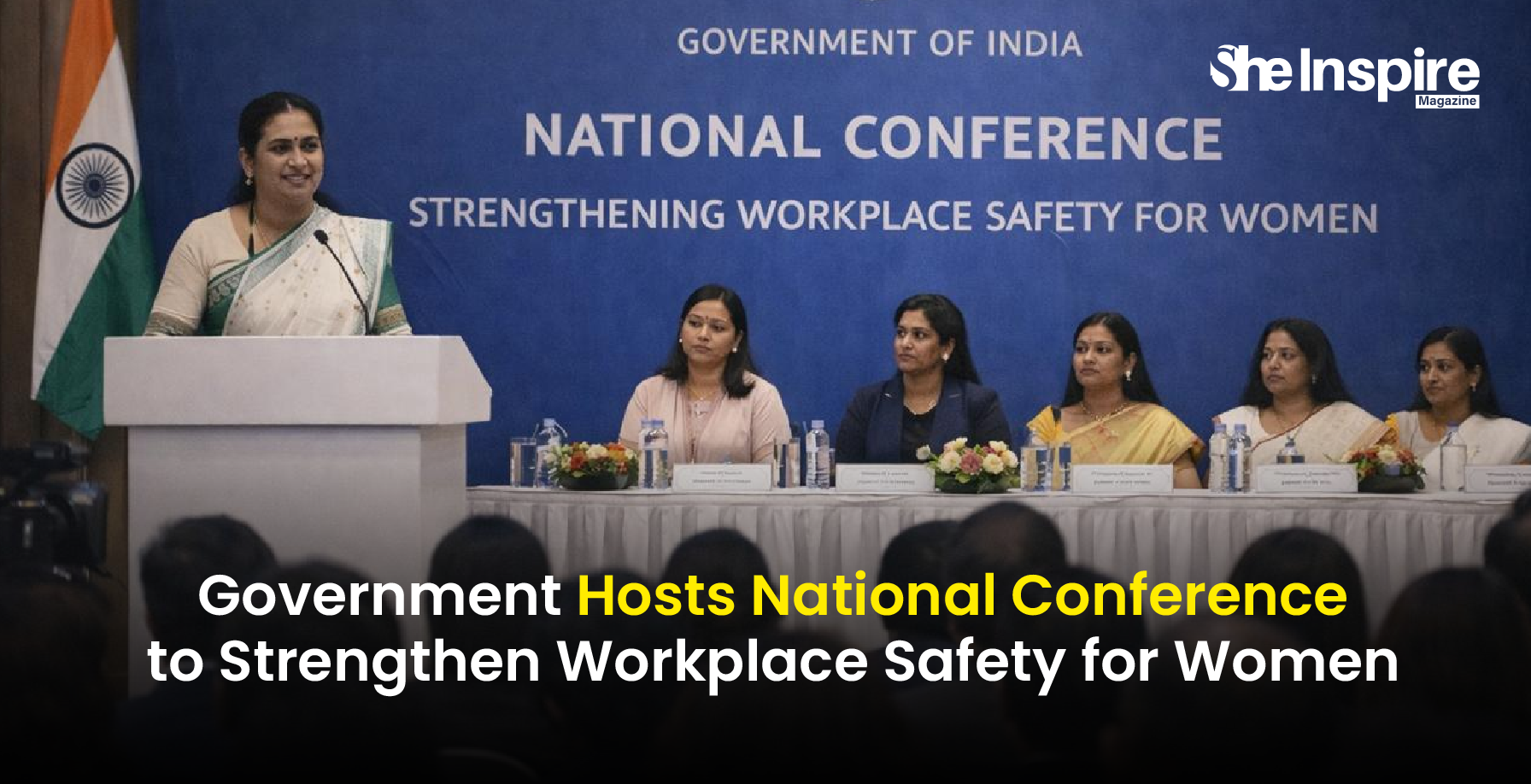
New Delhi, February 14, 2026: The Ministry of Women and Child Development today held a national workshop and conference on women workplace safety in New Delhi on Friday and thus took a major step towards ensuring a safer and more inclusive workplace environment. The conference involved policymakers, legals, corporate executives, civil people and women rights campaigners to address on how to protect the Standards in Sexual Harassment of Women at Workplace (Prevention, Prohibition and Redressal) Act and make it effective within sectors.
The conference noted that although India has a good legal framework to deal with the issue of sexual harassment at the workplace, there is still the issue of lack of understanding, compliance and enforcement. Interviewees stressed that a significant portion of female victims are reluctant to speak up as they are afraid of retaliation, stigmatizing attitudes, or distrust in in-house complaint provisions. The conference sought to fill such gaps by supporting the best practices and making organizations work beyond the compliance toward creating truly safe and respectful workplaces.
The senior officials of the ministry emphasized the role of Internal Committees (ICs) in the workplaces asserting that they are the bone of the Act. They emphasized on the idea that the ICs should be well composed, trained, and enabled to address complaints in a just, secret, and time-sensitive way. Regular audits and monitoring carried out in order to encompass that the organizations are fulfilling their legal duties was also discussed in the conference.
Awareness and training also became another major area of interest. Researchers indicated that instances of harassment can be substantially reduced through preventive education including sensitization training programs, orientation of employees and leadership training programs. Organizations can stimulate the culture of respect and accountability, and in this way, inappropriate behavior cannot be accepted in the organization and neglected.
Another issue raised at the conference was the increasing importance of workplace safety in non-traditional and informal employment fields such as gig work, remote work, and domestic work. Respondents urged enhanced outreach and links lodging process in ensuring that women within such fields do not fall behind in benefiting the law.
A range of case studies were introduced, which demonstrated organizations that have managed to introduce strong policies, anonymous reporting systems, and support systems that are focused on survivors. These examples showed that proactive measures are safe and at the same time increase morale, productivity, and organizational reputation.
At the end of the conference, the officials restated the government's desire of zero tolerance in issues related to workplace harassment and called on all the stakeholders, employers, employees as well as institutions to combine efforts. It did not take long before the message was received: it is not only legal that women be safe in their workplace, but that it is also an obligation shared by all to be the true gender equality and economic empowerment agents.