Alia Bhatt Connects Motherhood With Clean Set Washrooms
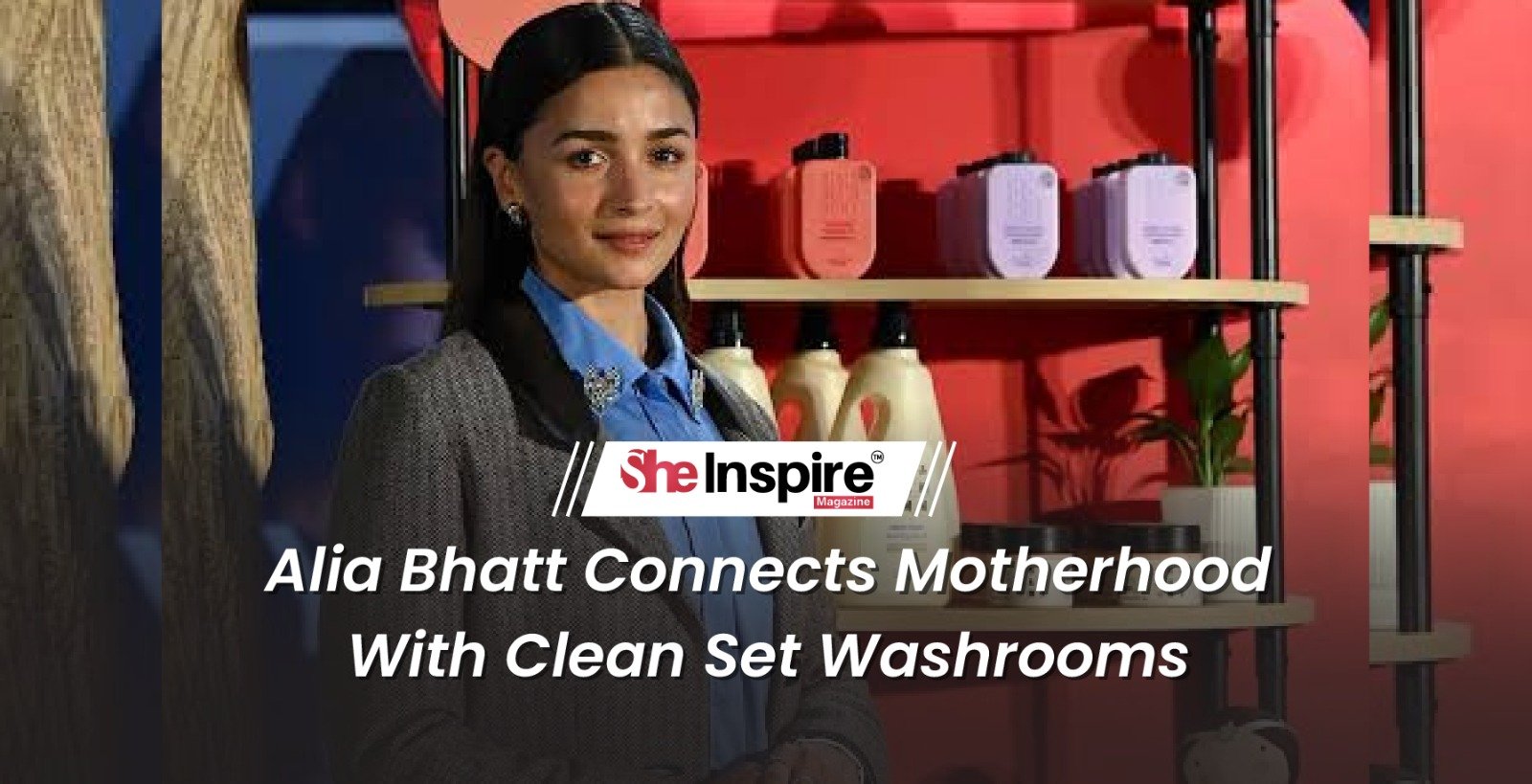
Find a working woman and ask her just how many hours a day there are, and her answer will be a long, breathless giggle; that's why it sounded so accurate when Alia Bhatt, one of the country's most active actors, simply stated the truth when most women do in the privacy of the kitchen or on their way home from work. Her comments appeared in an interview on the occasion of the very first TIME100 Next India list, of which she was the cover star, and spread with film trailers' customary speed. Since her daughter Raha was born in November 2022, Bhatt has kept making films, but she has done it with a firm line drawn around her time, and she was open about knowing, from the day she signed her first film after the birth, that there is a limit to how many days she can work in a month. That sounds like a small and sensible thing to say, yet in an industry where shoots have been known to stretch for fifteen to eighteen hours a day, it landed as a stone dropped into a still pond.
Long Shoots, a Daughter at Home and a Line She Won't Cross
What stands out is how calm and practical she sounded. Bhatt did not say she loves cinema any less; in fact, she said she wants to keep doing what she loves while also looking after the people she loves, and that becoming a mother made her far more aware of where her hours go. She is still willing to bend when a shoot genuinely needs it, for example, when a location or the light on a particular day demands a change, but she does not think that flexibility should turn into endless hours. This is her argument that a clear schedule improves the work: everyone is on time, off time, and they get all of that day's shots done, and she would like the industry to design it that way rather than each actor fending for himself. She also admitted that her own standing has helped, because the producers she works with have been accommodating, but she was careful to say that fair working hours in Bollywood should be normal for everyone and not a favour that only established stars can ask for.
Her comments arrived in the middle of a debate that Deepika Padukone started last year when she spoke up for an eight-hour workday for actors, a demand that Kareena Kapoor Khan, Kajol, Neha Dhupia and Ananya Panday have backed since. It matters that these voices belong to women with money, fame and choice, because they are saying something that millions of women in ordinary jobs already know, which is that the real cost of long hours falls on the home, on the child waiting at the door and on the mother who ends up apologising for both. It is the kind of candid conversation rarely captured outsideModern Indian Women Features, and when a star says out loud that she will not apologise for setting limits, it gives a nurse, a bank clerk or a schoolteacher a little more courage to say the same without feeling that she is asking for too much.
A Clean Washroom Should Not Be a Favour
The line people kept repeating, though, was about something far more ordinary than schedules. Speaking as a producer, Bhatt said that a woman being able to use a clean bathroom on a film set "should not be a conversation in 2026," and she described it as a very modest request. It is hard to read that sentence without a small wince, because every woman who has ever travelled for work, planned her water intake around a long outdoor day or stood in a queue at a petrol pump knows exactly what it means. Film sets run on people who spend long stretches in remote locations and open spaces, from hair and makeup artists to junior artists and technicians, and clean washrooms on film sets are the sort of basic dignity that should have been settled long ago, yet somehow still have to be asked for.
What gives her argument more weight is that she's not just asking the facilities to end at the door of the lead actor's vanity van, but to become the norm for the entire crew - and to make that case through her standing as a producer. The same pragmatic voice shot through the rest of her interview, where she revealed she will keep prioritising female-led films because nobody demands a flop from a male-led one, and where she scoffed at online chatter that her marriage to Ranbir Kapoor is somehow unequal, calling it patronising to imagine her as someone who quietly suffers her unhappiness. She described a relationship in which she feels seen and heard without having to explain herself, and the two will soon share the screen in Sanjay Leela Bhansali's Love & War, due in January 2027. None of this is loud or dramatic, and perhaps that is exactly why it works, since a woman asking for a sensible schedule, a working toilet, and some time with her child is not asking for much, and the fact that it still makes headlines says more about the workplace than about her.