
Women wait a decade for promised parliamentary seats
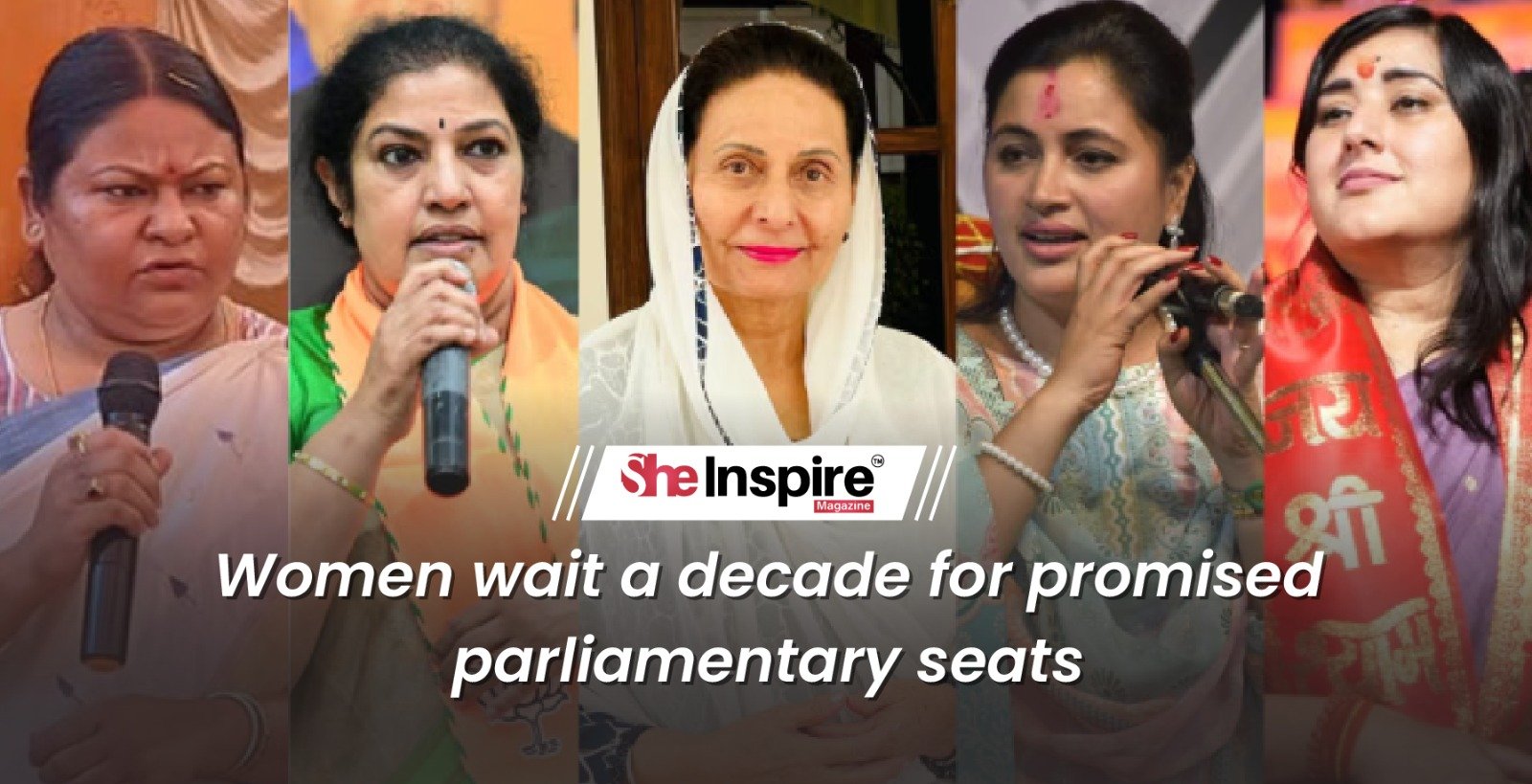
Last month Parliament enacted legislation promising women one-third of the seats in the Lok Sabha and state assemblies, and was widely seen as a game-changer. Three years on, that promise remains on the statute book and almost nowhere else. One recent analysis points out that not a single constituency has been reserved for women under the Nari Shakti Vandan Adhiniyam, and the delay has less to do with enthusiasm than with arithmetic, maps and a question that has divided Parliament: should women’s reservation in Lok Sabha wait for a fresh Census and delimitation, or move ahead of them?
Why census maps stall parliamentary quota for women
The law itself is linked to the first Census after 2026 and a delimitation exercise based on it, which would not allow seats to be marked out until fresh constituency lines are defined. The women's reservation bill 2026 package in April 2026, three bills in total, sought to cut the delay by incorporating the most recent Census figures into delimitation, expanding the Lok Sabha, and pushing the quota into effect for 2029 elections. That effort in a constitutional amendment failed. One analysis concludes that, with that bill gone, the original timeline stands, with the first election under reserved seats coming in 2034.
Neither side of the argument claims to oppose reservation itself. Congress has alleged that the government has needlessly put implementation on the back burner of delimitation, while the leadership of southern and north-eastern parties has indicated they want a delimitation formula that will not penalise states that do well. On 30 August, the Parliamentary Affairs Minister Kiren Rijiju said that the Prime Minister has clearly said that the linkage of the quota with the Census and delimitation will take place only after 2026.
The Years in Between Are Where the Real Test Sits
Women’s organisations and civil society groups are now pressing for a middle path, and the period between 2026 and 2029 is being treated as a crucial window for negotiation. Some argue that if the Census is finished by 2027, delimitation could be fast-tracked to within a year. Meanwhile, nothing in the law stops any party from giving women more tickets before reserved seats exist, and that choice needs no amendment. For a woman who has spent years building a network in her ward, waiting for a constituency map to decide her future is a strange kind of limbo.
The question was never whether India wants more women in its legislatures, since most parties say they do. It is whether that wish can survive the long walk through a Census, a map and a majority vote. For thousands of women working in their local wards, every year of waiting means running campaigns in a system stacked against them. They keep showing up day after day, earning the trust of their communities while their actual political future sits on hold. Real change won't come from a law sitting on a shelf, but from the day those seats are finally filled by the women ready to take them.
-01.png)
 Roshni Mary Peter-01.png)