Lanchenbi Chanu Wins Historic Youth Olympics Wushu Bronze
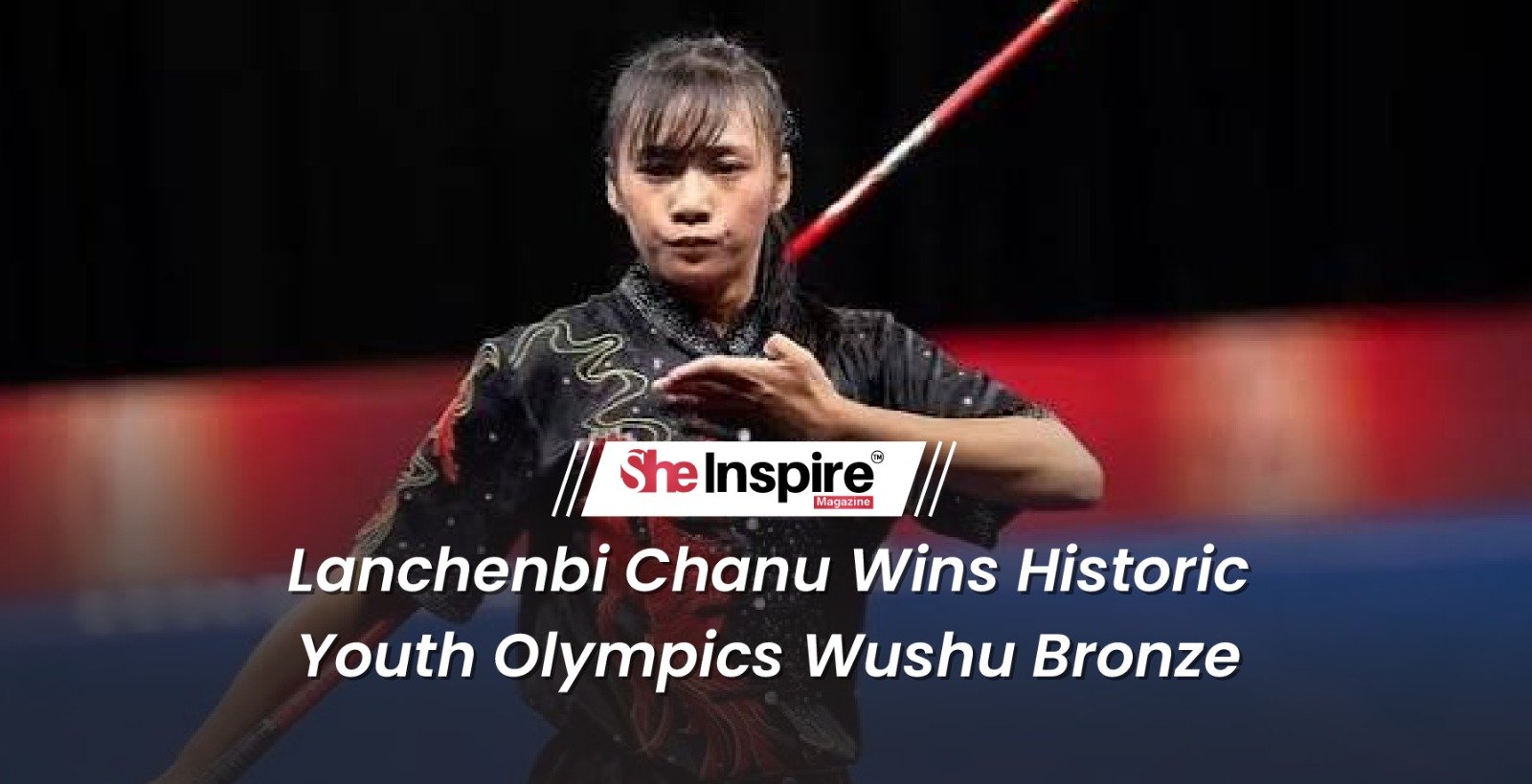
Wushu is not a sport most Indian households follow, and at the Dakar Youth Olympics it was making its debut as a medal event, which meant nobody in the arena had a template for what a first would look like. Rajkumari Lanchenbi Chanu, from Manipur, wrote it anyway. Her bronze in the women’s combined changquan event is India’s first Youth Olympics wushu bronze, and she earned it the hard way, by recovering from a middling start with the scoreboard against her.
Fourth Place Is a Hard Place to Stand
The combined event is judged over two routines. In gunshu, the weapon-based one, she scored 8.723 and sat fourth, the position every athlete dreads, close enough to taste a medal and far enough to lose it. Reports say she had entered the final in second place and had openly spoken of wanting gold, so that score must have stung. Then came changquan, the bare-handed routine, and she answered with 9.316, the second-highest mark among the eight finalists. Added together, her 18.039 was enough for third, behind Egypt’s Sondos Sonbol on 18.660 and Venezuela’s Valeria Frannerys Dudamel Alvarado on 18.199. The arithmetic is cruel: 0.160 separated her from silver, and a little more than half a point from the top step.
Judged sports can make those margins seem random-and anyone who has seen a performance they loved get a score that shocked them knows that-and what it comes down to is what she did with it. Fourth is a spot that can get in your head and end a routine, and she took it as an opportunity to attack the second routine-which is something that no coach can teach. Demonstrating the true spirit of Women Breaking Barriers India, her composure under pressure turned a temporary setback into a defining moment for Indian sports.
What a Debut Medal Leaves Behind
The reports I found carry no quotes from her, so how she felt on that podium has to be left to the photographs, where she stands very still in an Indian tracksuit while the medal ceremony begins. The gold she was after slipped from her fingers by just over half a point, but the medal that stayed can't be acquired any further: It is the first. No other second, third, or twenty-third will ever take its place. It is the first: The end is the beginning. Every Indian wushu player who comes after will begin there.
For Indian wushu, that matters. India’s first wushu medal at a Youth Olympics, won at the sport’s debut there, gives clubs and coaches something concrete to point to, and the next teenager who picks up a staff will have a name to say out loud. Hers, as one caption put it, is worth remembering, and the people who follow the sport already do.
-01.png)
 Roshni Mary Peter-01.png)