From a Kitchen Table to a Community of 4,000: The Comeback Story of Nancy Sharma
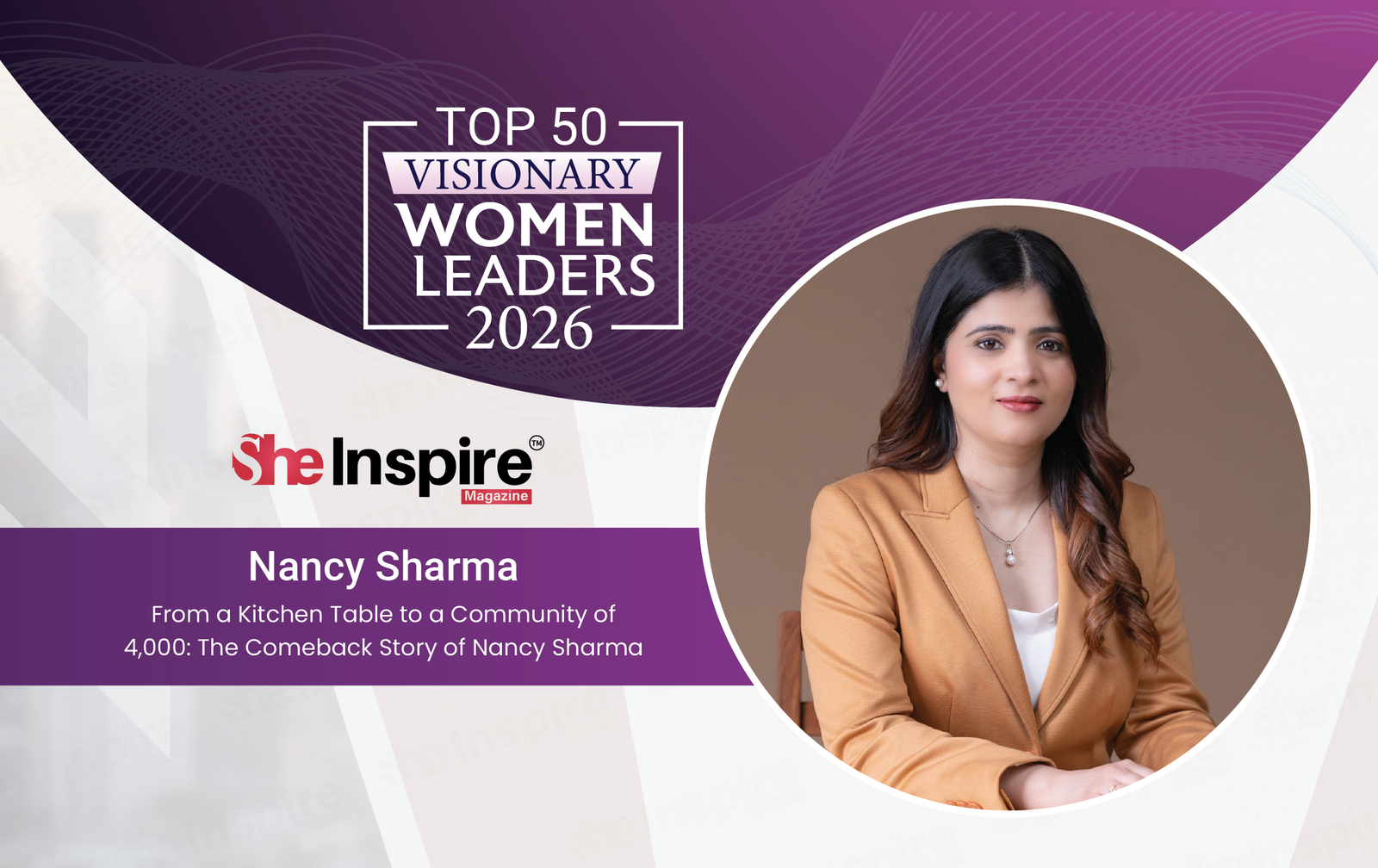
Nancy Sharma's career didn't follow a straight line and she's the first to admit it. Today, as Senior Vice President and Head of Tutor Community at Cuemath, she sits at the centre of one of India's largest communities of online educators. But long before the title, the leadership team, and the thousands of women she now mentors, Nancy's story took a very different turn — one shared by countless women across the country.
By education, she is an engineer. She spent six years in the corporate world, working in automation, building the kind of career that looked, from the outside, like it was going somewhere. Then life did what it so often does to women it asked her to choose. Marriage, children, family responsibilities piled up, and her career quietly took a back seat. For a while, she believed that chapter of her life was simply over. It wasn't just a professional break, she says. It was a deeper kind of disconnection from a part of herself she'd stopped recognising.
Cuemath
Then she found Cuemath. Or, as she puts it, maybe Cuemath found her. She became its second-ever teacher, right after founder Manan Khurma himself. Her first paycheck was Rs 5,000 a month, earned teaching students from her own kitchen table. That single kitchen table, she says, changed everything. What started as Rs 5,000 grew into more than a lakh a month — all without leaving home.
From there, she began building something bigger than her own comeback. Two teachers became ten. Ten became a hundred, then a thousand. Today, that community stands at four thousand educators, ninety percent of them women — many of whom, she says, were standing exactly where she once stood: qualified, capable, and wrongly convinced their working years were behind them. Some of those educators now earn more than of two lakh rupees a month, teaching from their own homes, on their own terms.
Ask Nancy what shaped her most. It's knowing, first-hand, what it takes to rebuild confidence from nothing. That's precisely why this work feels so personal to her — because behind every career break, she believes, is a person who simply needs someone to believe in her again.
That belief shows up in how she talks about motivation. Leading a community, she says, means carrying far more than business numbers you're carrying people's hopes, their sense of self-worth. She's watched the same pattern play out again and again: an educated, capable woman sitting at home, slowly losing even the ability to make her own decisions because she's become so emotionally entwined with everyone else's needs. Then that same woman starts earning again, on her own terms, and something shifts. She stands a little taller. That transformation, more than anything else, is what keeps Nancy going on the harder days.
Success
Her definition of success follows the same thread. It isn't about position it's about how many people start believing in themselves because someone believed in them first. Reaching a lakh women across the country, and going well beyond that, is the mission she's chasing, and every individual story along the way is what makes it worth pursuing.
Message to youth
On hustle culture, she doesn't offer easy answers. A comfortable life feels good, she says, but staying in your comfort zone rarely gets you anywhere real that only happens in books. Real dreams demand time, effort and hard work. She isn't defending for burnout, but she's clear that some hard days are simply unavoidable when you're chasing something extraordinary. Balance matters, she says but balance should never define you. You define your own balance.
If there's one belief that guides her above all: it's never too late to start again. She lived that truth herself — a career comeback, new skills learned from scratch, and a habit of showing up consistently even when there was no dramatic breakthrough in sight. She visions the women she mentors to absorb that same idea that age, gender, city or pin code were never meant to decide how far someone can go.
One stereotype she is determined to break is the idea that women can't have it all, that family and a meaningful career must always be traded off against each other. Her own story a break for family, followed by a career she now loves. It may not happen on any conventional timeline, she says, but it can happen. And empowerment, to her, isn't about denying the pull women feel toward their families. It's about giving them the freedom to hold both a career and motherhood without guilt, and without having to choose.